

Losing a tooth can feel overwhelming. Many new patients in Burbank come to us with the same concerns before starting treatment. Understanding the answers to the 5 dental bridge questions new patients ask — and what you need to know in Burbank — can make all the difference. At Nalbandian Dentistry, Dr. Nicole G. Nalbandian helps patients feel informed and confident every step of the way.
Question 1: What Exactly Is a Dental Bridge?
A dental bridge is a fixed restoration that replaces one or more missing teeth. It literally “bridges” the gap left behind after tooth loss. The bridge anchors onto the natural teeth or implants on either side of the gap.
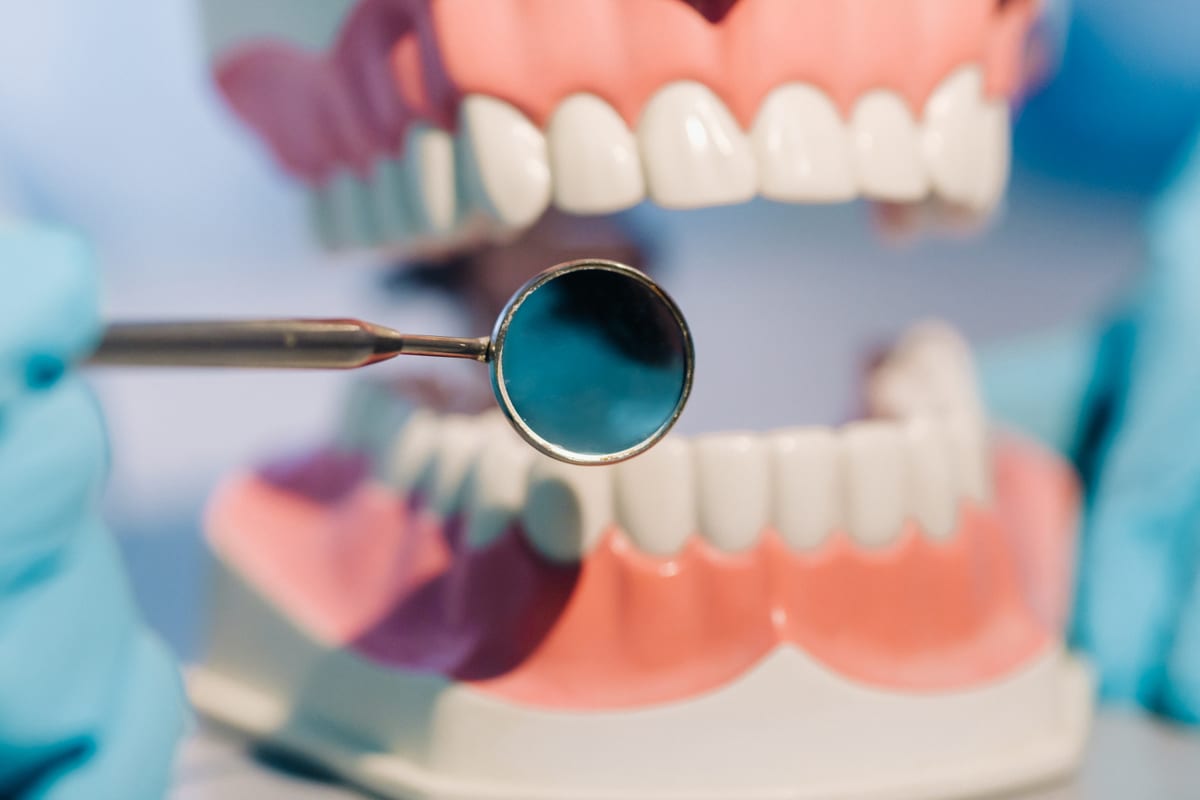
Most bridges consist of two crowns on the anchor teeth and one or more artificial teeth in between. These artificial teeth are called pontics. Together, the structure looks and functions like natural teeth.
Bridges are a popular choice for patients who want a permanent, non-removable solution. They restore your ability to chew, speak, and smile with confidence.
Question 2: Am I a Good Candidate for a Dental Bridge in Burbank?
Not every patient is automatically a candidate for a bridge. Dr. Nalbandian evaluates several factors before recommending this treatment. Your surrounding teeth need to be healthy enough to support the bridge structure.
Good candidates typically meet these criteria:
- One or more missing teeth in a row
- Strong, healthy anchor teeth on both sides of the gap
- Good overall gum health with no active gum disease
- Adequate jawbone density to support the restoration
- A commitment to maintaining good oral hygiene
If gum disease or decay is present, those issues must be treated first. Dr. Nalbandian will complete a thorough exam and may take X-rays to assess your situation. Your health history also plays a role in determining the right treatment plan.
Question 3: What Does the Dental Bridge Process Look Like?
Many new patients worry the process will be long or painful. In reality, most bridge procedures are completed over two or three visits. Dr. Nalbandian uses gentle techniques to keep you comfortable throughout.
Here is what you can generally expect during treatment:
- Consultation and exam: Dr. Nalbandian evaluates your oral health and discusses your goals.
- Tooth preparation: The anchor teeth are reshaped slightly to accommodate the crowns.
- Impressions: Detailed molds or digital scans are taken and sent to a dental lab.
- Temporary bridge: A temporary restoration protects your teeth while your permanent bridge is made.
- Final placement: The custom bridge is fitted, adjusted, and permanently bonded in place.
Most patients are pleasantly surprised by how manageable the process feels. Local anesthesia ensures you stay comfortable during preparation. Once the permanent bridge is placed, most people adapt quickly.
Question 4: How Long Will a Dental Bridge Last?
This is one of the most common concerns we hear from new patients. With proper care, a dental bridge can last 10 to 15 years — and sometimes much longer. The longevity depends heavily on your oral hygiene habits and regular dental visits.
To extend the life of your bridge, Dr. Nalbandian recommends the following:
- Brushing twice daily with a soft-bristled toothbrush
- Flossing under and around the bridge using a floss threader or water flosser
- Avoiding very hard or sticky foods that could damage the restoration
- Attending regular cleanings and checkups at our Burbank office
The anchor teeth underneath your crowns still need protection. Plaque and bacteria can still cause decay if you skip proper cleaning. Staying consistent with home care is the single biggest factor in how long your bridge lasts.
Question 5: How Does a Bridge Compare to a Dental Implant?
Patients often ask whether a bridge or an implant is the better choice. Both options effectively replace missing teeth, but they work differently. Understanding the distinction helps you make the right decision for your needs.
A dental implant involves placing a titanium post directly into the jawbone. This post acts as an artificial tooth root and supports a crown on top. Implants do not require shaping of adjacent teeth.
A dental bridge, by contrast, relies on neighboring teeth for support. It is typically a faster solution and requires fewer visits. However, it does involve reshaping healthy adjacent teeth, which is an important consideration.
Dr. Nalbandian will walk you through both options honestly. Factors like jawbone health, timeline, and your personal preferences all influence the recommendation. There is no single right answer — only the right answer for you.
How Dental Bridges Fit Into Your Overall Dental Health
A dental bridge does more than fill a gap in your smile. It prevents neighboring teeth from shifting out of alignment. It also helps distribute bite pressure more evenly across your teeth.
Missing teeth can affect more than appearance. Over time, tooth loss can lead to bone loss in the jaw and changes in facial structure. Restoring the gap early protects your long-term oral health.
At Nalbandian Dentistry, restorative care works hand in hand with other services. Many patients also explore Cosmetic Dentistry Burbank options to complement their bridge with a complete smile makeover. Dr. Nalbandian creates a comprehensive plan tailored to your goals.
We also understand that oral health is a family matter. If you are looking for care for younger family members, we offer Pediatric Dentistry Burbank services to support every generation. Healthy smiles start early and last a lifetime.
Conclusion: Feel Confident About Your Bridge Decision
Getting a dental bridge is a significant step toward restoring your smile and your confidence. The most important thing is to feel fully informed before you begin. Dr. Nicole G. Nalbandian and the team at Nalbandian Dentistry are here to answer every question you have — no matter how small it seems.
Burbank patients trust us because we prioritize education, transparency, and compassionate care. You deserve to understand exactly what is happening in your mouth and why. We never rush that conversation.
If you are ready to explore whether a dental bridge is right for you, we would love to help. Book Now to schedule your appointment with our team.
Frequently Asked Questions
How much does a dental bridge cost in Burbank?
The cost of a dental bridge varies depending on the number of missing teeth, the materials used, and the complexity of your case. Dr. Nalbandian provides a detailed treatment estimate during your consultation so you know exactly what to expect before committing to care.
Is getting a dental bridge painful?
Most patients experience little to no discomfort during the procedure. Local anesthesia is used to numb the area during tooth preparation. Some mild sensitivity after the appointment is normal and typically resolves within a few days.
Can a dental bridge fall out?
A properly placed and cared-for dental bridge is very secure. Bridges are permanently bonded to the anchor teeth. However, issues like decay under the crowns or gum disease can compromise the bond over time, which is why regular checkups are essential.
How do I clean under a dental bridge?
Cleaning under a bridge requires a bit of extra effort compared to natural teeth. Dr. Nalbandian recommends using a floss threader, interdental brushes, or a water flosser to clean beneath the pontic. Your hygienist will demonstrate the best technique for your specific bridge during your cleaning appointments.
How long does it take to get used to a dental bridge?
Most patients adjust to their new bridge within one to two weeks. Your bite may feel slightly different at first, but this sensation usually fades quickly. If discomfort or bite issues persist, contact our Burbank office so Dr. Nalbandian can make any necessary adjustments.