

Have you ever felt discomfort around a dental crown or noticed changes in its appearance? It could be time for a repair! While dental crowns are designed to last, they aren’t immune to wear and tear. Over time, crowns can develop issues that require professional attention. These issues, if left unchecked, can lead to bigger dental problems. Understanding when to repair your crown is key to maintaining your oral health.
In this blog, we’ll walk you through the signs that indicate it’s time to fix your dental crown, and why timely repairs are essential.
What is a Dental Crown and Why Is It Important?
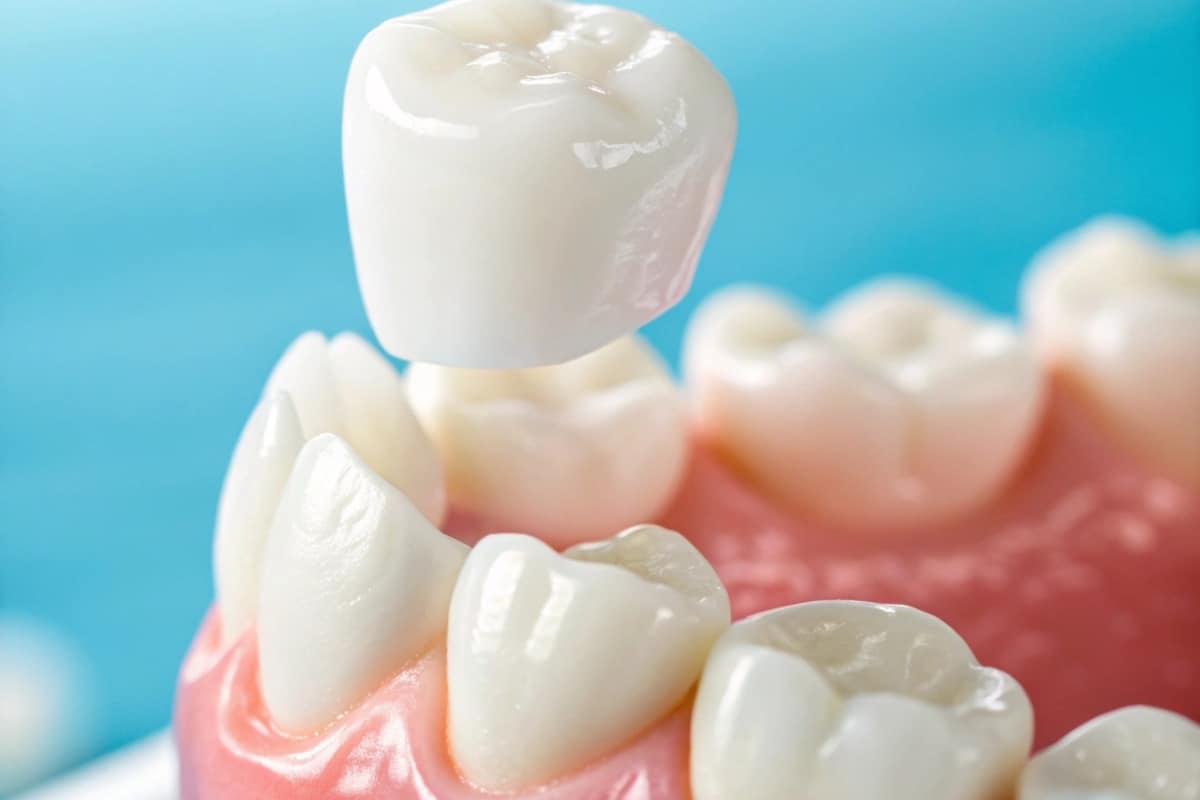
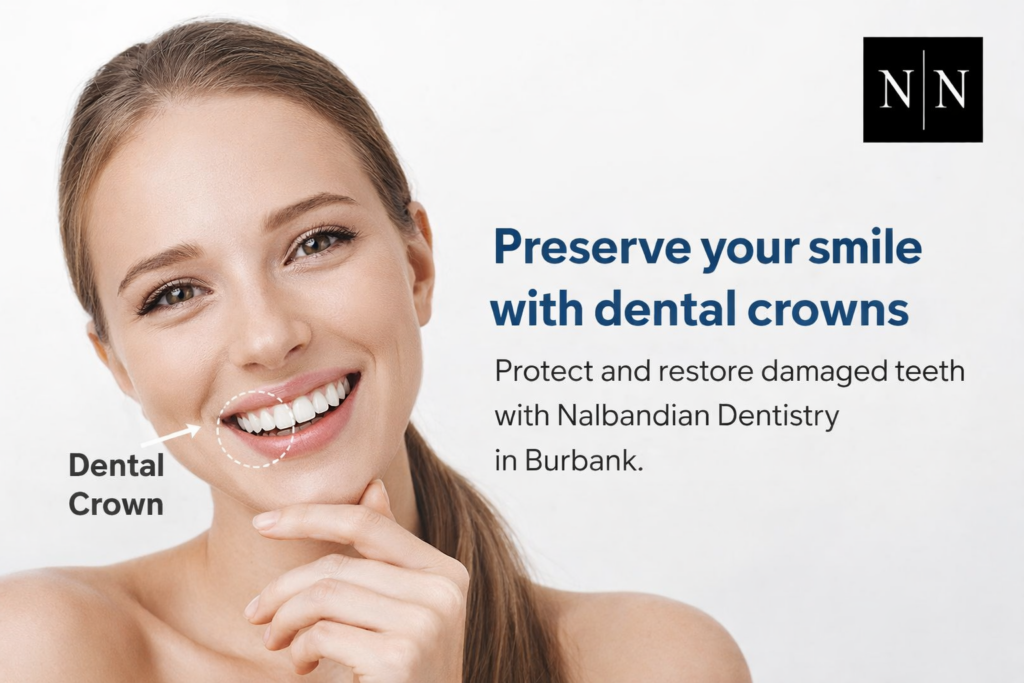
A dental crown is a cap that fits over a damaged or weakened tooth, restoring its shape, size, and function. Crowns are commonly used to protect a tooth after a root canal treatment, fill large cavities, or cover dental implants. They help restore a tooth’s strength, functionality, and aesthetics, making them a vital part of your oral care.
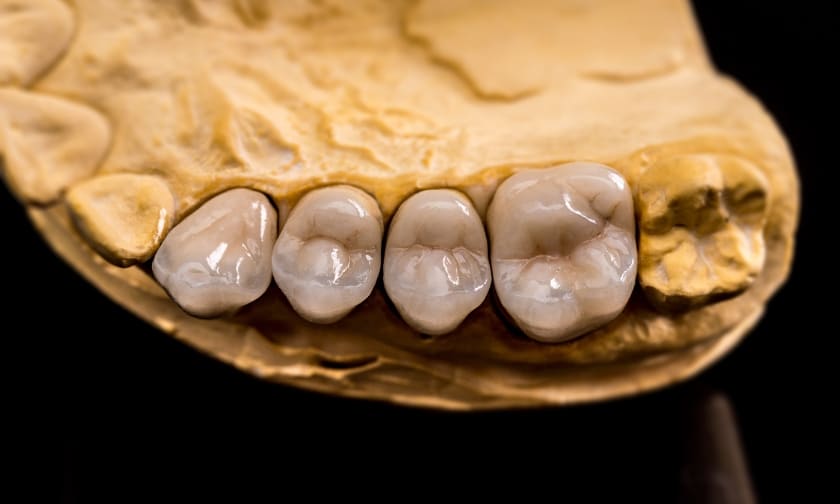
Crowns play a crucial role in preserving the natural tooth structure underneath. Without a crown, a damaged tooth could weaken over time, leading to further decay, discomfort, or even tooth loss. They also help in improving your smile’s appearance, especially if the damaged tooth is visible when you talk or smile. Dental crowns in Burbank are made from a variety of materials, including porcelain, ceramic, and metal, depending on the location and needs of the tooth.
A well-maintained crown will not only keep your tooth safe but also help in preserving the alignment of your bite, contributing to better overall oral health. For those in Burbank, having a reliable dental team like Nalbandian Dentistry ensures your crown is properly fitted and maintained, which can keep your smile intact for years.
Common Signs That Indicate Your Dental Crown Needs Repair
Knowing the signs that your dental crown needs a fix is essential to preventing further issues. Here are the key indicators:
- Pain or Sensitivity: If you experience discomfort or heightened sensitivity around the crowned tooth, it could signal an issue with the crown’s fit or the underlying tooth. Sensitivity to temperature changes, especially hot or cold foods, is a common sign that the crown is no longer functioning as it should.
- Visible Damage: If you notice any visible cracks or chips in your crown, it’s crucial to address them right away. Small damage may not seem urgent, but it can weaken the crown over time, potentially leading to more serious issues like a tooth fracture.
- Changes in Fit: You might feel that the crown is loose or misaligned when you bite down. A crown that no longer fits properly can cause discomfort and may not protect your tooth as intended.
- Discoloration: If the crown starts to discolor, this could be a sign of wear or damage. While some staining may be natural over time, a significant color change could mean the crown is becoming compromised.
- Foul Odor or Taste: If you notice a persistent bad smell or taste around the crowned tooth, it could indicate that decay or infection is developing beneath the crown. This requires immediate attention to prevent further damage to the underlying tooth.
Causes of Dental Crown Damage
There are several reasons why your dental crowns in Burbank might need repair. Understanding these causes can help you prevent crown issues in the future.
- Wear and Tear: Over time, even the most durable crowns can begin to show signs of wear. The constant pressure from chewing, biting, and grinding can cause the crown to gradually lose its shape or functionality. Crowns on back teeth, which bear the brunt of chewing forces, are especially vulnerable.
- Trauma or Injury: Accidents happen, and trauma to your mouth can damage a crown. Whether it’s a sports injury or biting down on something too hard, crowns can crack or loosen under pressure.
- Decay or Infection: The most common cause for crown failure is infection or decay under the crown. When the tooth beneath the crown becomes infected or develops decay, it can compromise the integrity of the crown, causing it to become loose or damaged.
At Nalbandian Dentistry, we always recommend regular check-ups to assess the health of your crowns and prevent these issues from worsening.
How Dental Crown Repair Works
Dental crown repairs can vary depending on the nature of the problem. Here’s how the repair process typically works:
- Re-cementing the Crown: If your crown has come loose, it may simply need to be re-cemented. This involves cleaning the tooth and applying a new layer of dental cement to secure the crown back into place. It’s a relatively quick and simple fix.
- Adjusting the Crown: Sometimes, the crown might just need some adjustments to improve its fit. If the crown is too loose or too tight, your dentist can file it down or reshape it to ensure a comfortable fit.
- Replacing the Crown: If your crown is severely damaged or worn out, it may need to be replaced entirely. This process involves removing the old crown and taking impressions to create a new, custom-fitted crown that will restore your tooth’s function and appearance.
It’s essential to seek professional help if you notice any signs of damage. A dentist at Nalbandian Dentistry can diagnose the problem and provide a solution that will protect your oral health.
What to Expect During a Dental Crown Repair Appointment
If you’re getting your crown repaired, here’s a step-by-step breakdown of what to expect:
- Consultation and Examination: The first step involves your dentist thoroughly examining the crown and the tooth underneath. X-rays may be taken to check for any signs of decay or infection in the underlying tooth.
- Preparation: If the crown needs to be removed or adjusted, your dentist will carefully prepare the area, ensuring that no additional damage is done to the tooth beneath the crown.
- Repair or Replacement: Depending on the issue, your dentist will either re-cement the crown, adjust its fit, or create a new one. If a new crown is required, the process may involve taking impressions of your tooth, which will be sent to a dental lab for fabrication.
- Final Fit: Once the crown is ready, it will be placed over your tooth. Your dentist will make any final adjustments to ensure a perfect fit before securing the crown in place.
Preventing Future Crown Problems
Taking care of your dental crown can help prevent future repairs. Here are some tips to ensure your crown lasts as long as possible:
- Avoid Hard Foods: Biting into hard foods can damage your crown. Try to avoid items like ice, hard candies, or bones that may cause cracking or chipping.
- Good Oral Hygiene: Brush and floss around your crown daily to prevent plaque buildup and decay. Use a soft-bristled toothbrush and a fluoride toothpaste to protect your crown and the tooth underneath.
- Regular Dental Check-ups: Regular visits to Nalbandian Dentistry will help keep your crown in check. Your dentist can spot early signs of wear or infection before they become major issues.
Timely repair of a dental crown is crucial to maintaining your oral health. Whether you’re experiencing discomfort, visible damage, or any of the other signs mentioned, addressing the issue early can prevent further complications.
If you think your crown needs a repair, don’t wait! Nalbandian Dentistry in Burbank is here to help. Schedule an appointment with us today for a consultation and get your smile back to its best!
People Also Ask
How long do dental crowns last?
Dental crowns can last anywhere from 5 to 15 years, depending on the material and care.
Can I eat with a loose crown?
It’s best to avoid eating with a loose crown to prevent further damage.
How do I care for my dental crown?
Maintain good oral hygiene and avoid hard foods to protect your crown.
How long does dental crown repair take?
Depending on the issue, crown repairs can take anywhere from a few minutes for re-cementing to a few weeks if a new crown is needed.
How can I tell if my dental crown needs repair?
Common signs include pain, sensitivity, visible damage, a loose fit, discoloration, or a bad taste near the crown.