


It’s the middle of the night, and suddenly, you feel an intense throbbing in your tooth. What do you do? You try to ignore it, hoping it will go away, but the pain only gets worse. Tooth pain has a way of striking when you least expect it, especially in the middle of the night when your dentist is closed. It can be overwhelming, leaving you unsure of what to do to alleviate the discomfort until you’re able to get professional care.
This blog is here to guide you through the steps you can take to manage your tooth pain until you can see your dentist. At Nalbandian Dentistry, we understand how important it is to get quick relief when you’re in pain, and we’re here to help you through those long, painful hours before your appointment.
What Causes Midnight Tooth Pain?
Tooth pain can arise from a variety of causes, and knowing what’s behind it can help you better understand how to address it.
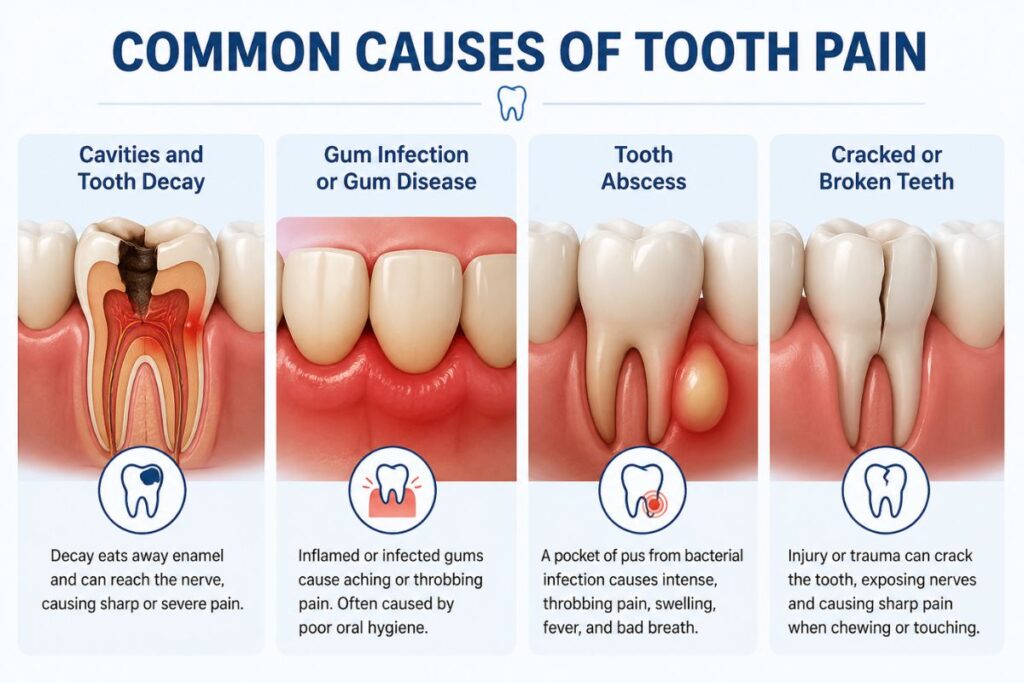
Common Causes of Tooth Pain:
- Cavities and Tooth Decay: When a cavity forms, it eats away at the enamel, leading to sharp pain, especially when chewing or drinking. If left untreated, decay can reach the nerve, causing severe pain.
- Gum Infection or Gum Disease: Infections like gingivitis or more severe gum disease can cause your gums to become inflamed and tender, leading to aching or throbbing pain. Poor oral hygiene often causes these conditions.
- Tooth Abscess: A tooth abscess is a pocket of pus caused by a bacterial infection that can lead to intense, throbbing pain, especially when lying down at night. This infection can also cause swelling, fever, and bad breath.
- Cracked or Broken Teeth: An injury or trauma to the tooth can lead to a fracture, exposing the inner nerves. This can cause sharp pain, especially when chewing or touching the affected area.
When to Worry:
While most tooth pain can be managed temporarily, there are cases when it signals a more serious problem. If you experience extreme pain, swelling, or fever, these could be signs of an infection that requires immediate attention from an emergency dentist in Burbank. A cracked tooth or tooth abscess left untreated can lead to severe complications, including tooth loss.
Immediate Steps to Take for Relief
If you’re dealing with tooth pain in the middle of the night, there are a few steps you can take to manage the discomfort until you can see your dentist. Here are the best ways to find relief:
Step 1: Rinse with Warm Salt Water
One of the simplest and most effective remedies for tooth pain is a warm saltwater rinse. Salt has natural antibacterial properties, which can help reduce inflammation and clean the affected area. Rinsing with warm salt water can also help soothe any irritation caused by food particles or bacteria, especially if you have gum inflammation or a minor infection.
Mix one teaspoon of salt in a glass of warm water, swish it around your mouth for 30 seconds, and spit it out. This rinse can also help temporarily ease the pain, especially if it’s caused by swelling.
Step 2: Use Over-the-Counter Pain Relievers
If the pain is unbearable, an over-the-counter pain reliever can provide relief. Medications like ibuprofen (Advil or Motrin) or acetaminophen (Tylenol) can help manage the pain and reduce inflammation.
It’s important to follow the dosing instructions on the packaging to avoid any complications. Ibuprofen is particularly helpful if the pain is related to swelling or infection, while acetaminophen is a good alternative if you can’t take ibuprofen.
Remember, these medications offer temporary relief and do not treat the underlying cause of the pain, so be sure to follow up with your dentist.
Step 3: Apply a Cold Compress
A cold compress can be especially useful if the pain is accompanied by swelling. Place an ice pack or a cloth-wrapped ice cube on the outside of your cheek near the painful area. The cold helps reduce inflammation and numbs the area, providing immediate relief.
Apply the compress for about 15-20 minutes at a time. Be careful not to apply the ice directly to the skin, as it can cause frostbite.
Step 4: Avoid Certain Foods and Drinks
Certain foods and drinks can aggravate tooth pain. Avoid anything too hot, cold, or sugary, as these can trigger sharp pain, especially if you have a sensitive tooth. Stick to soft foods at room temperature, like mashed potatoes or yogurt, to avoid irritating the painful area.
By following these steps, you can manage the pain until you’re able to visit your dentist for further care.
When to Seek Emergency Dental Care
Sometimes, tooth pain can be so severe that immediate care is necessary. Here are a few signs that indicate you should seek emergency dental care:
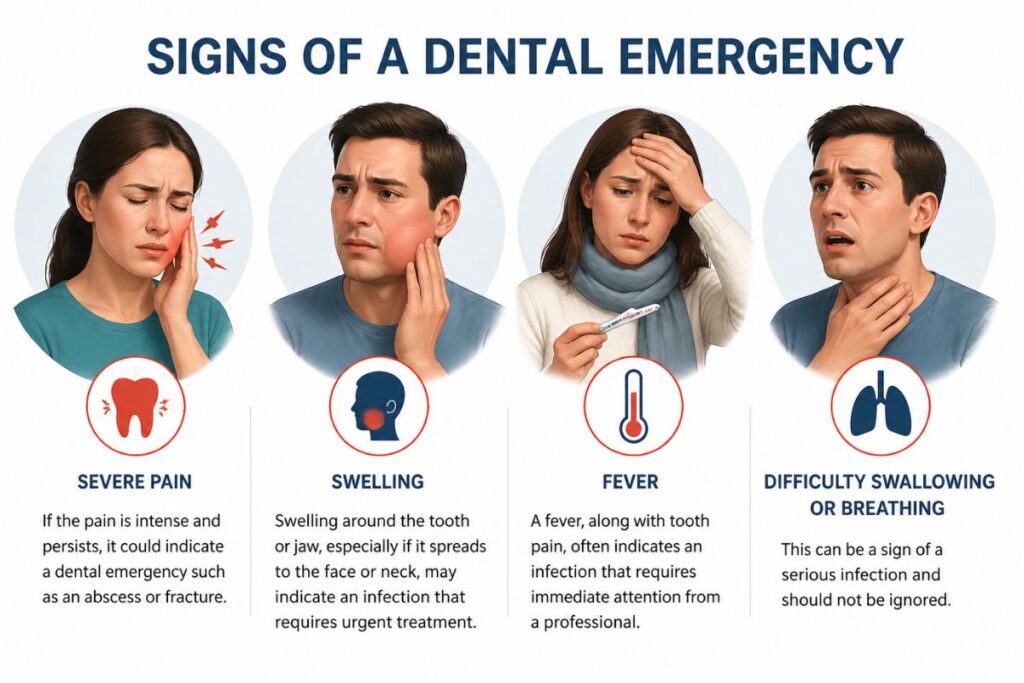
Signs of a Dental Emergency:
- Severe pain: If the pain is intense and persists, it could indicate a dental emergency such as an abscess or fracture.
- Swelling: Swelling around the tooth or jaw, especially if it spreads to the face or neck, may indicate an infection that requires urgent treatment.
- Fever: A fever, along with tooth pain, often indicates an infection that requires immediate attention from a professional.
- Difficulty swallowing or breathing: This can be a sign of a serious infection and should not be ignored.
If any of these signs are present, contact an emergency dentist in Burbank right away. Delaying treatment can lead to complications, so it’s crucial to get professional help as soon as possible.
What to Expect from Emergency Care:
In emergencies, your dentist will assess the cause of your pain and provide the appropriate treatment. If you have a tooth abscess, they may drain the infection and prescribe antibiotics.
If you have a broken tooth, they may seal it to prevent further damage. Emergency dentists are equipped to handle the most urgent dental issues and will work to provide immediate relief.
Preparing for Your Appointment
Once the pain is manageable, preparing for your dentist appointment is essential to ensure a smooth visit.
Keep Track of Symptoms:
Note the severity of your pain, when it started, and any additional symptoms such as swelling, fever, or sensitivity. This will help your dentist understand the nature of your issue and offer the best treatment options.
What to Bring to Your Appointment:
Make sure to bring any necessary documents, such as your insurance information, ID, and a list of any medications you’re taking. If you have a history of tooth problems or specific treatments, mention them to your dentist. The more information you provide, the more effective your treatment plan will be.
Call Ahead:
As soon as your dentist’s office opens, call to schedule your appointment. Let the receptionist know that you’re experiencing pain and describe your symptoms. This will allow them to prepare for your visit and prioritize your care accordingly.
Tooth pain can be a distressing experience, especially when it occurs at night. However, with the right steps, you can manage your symptoms until you’re able to see a professional. Whether it’s through rinsing with warm salt water, using pain relievers, or applying a cold compress, these simple methods can bring some much-needed relief.
If the pain persists or worsens, remember that seeking emergency dental care is essential to avoid serious complications. At Nalbandian Dentistry, we understand the urgency of dental pain, and we are here to provide you with the care you need.
Don’t let tooth pain ruin your day. If you’re in need of urgent care, contact us at Nalbandian Dentistry to schedule your appointment with our trusted dental professionals.
People Also Ask
1. Can a cold compress relieve tooth pain?
Yes, applying a cold compress to the outside of the cheek can numb the area and reduce swelling, providing immediate relief.
2. Should I avoid hot or cold foods when I have tooth pain?
Yes, hot or cold foods can trigger sharp pain. Stick to soft, room-temperature foods to avoid worsening the pain.
3. How often can I use a cold compress for tooth pain?
You can apply a cold compress every 15-20 minutes, allowing your skin to rest in between to avoid irritation.
4. What should I do if I can’t take pain relievers?
If you can’t take pain relievers due to allergies or other reasons, try rinsing with salt water, using a cold compress, and avoiding triggers like hot or cold foods.
5. Is it okay to sleep with tooth pain?
While it’s okay to sleep, it’s best to take pain relievers, apply a cold compress, and avoid foods that could irritate the pain until you can see your dentist.