

Every parent wants their child to feel safe, comfortable, and understood during a dental visit. Yet choosing the right office for children’s oral care can feel overwhelming, especially in a busy city like Burbank, where families juggle school schedules, sports, after-school programs, and long commutes across Los Angeles County. A child’s early dental visits often shape how they feel about oral health for years to come.
Children need a different approach than adults. Their dental needs change quickly as they grow, and their emotions often play a major role during appointments. From toddlers visiting for the first time to teenagers managing braces or sports guards, finding a provider who understands childhood development can make routine care feel easier and less stressful for the whole family.
Why Childhood Dental Care Matters Early
Many oral health concerns begin quietly. Small cavities, bite issues, enamel wear, and gum irritation may not cause pain right away. Regular visits allow a pediatric dentist to identify changes before they become more complicated.
This is especially important for children growing up in active communities like Burbank, where packed calendars can make preventive care easy to postpone. Whether families spend weekends near Griffith Park, attend performances around Downtown Burbank, or enjoy local spots near Magnolia Park, daily routines often move fast. Dental visits help slow things down long enough to monitor healthy development.
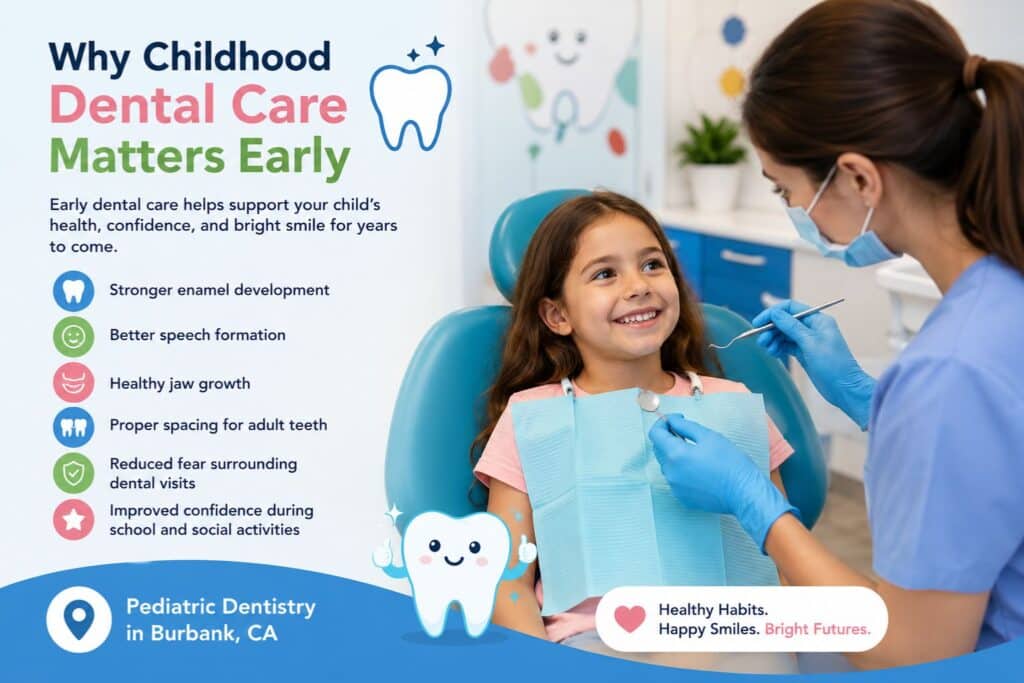
Good dental habits during childhood can support:
- Stronger enamel development
- Better speech formation
- Healthy jaw growth
- Proper spacing for adult teeth
- Reduced fear surrounding dental visits
- Improved confidence during school and social activities
Parents searching for pediatric dentistry in Burbank, CA, often look for more than routine cleanings. They want an environment where children feel comfortable asking questions and where visits feel calm instead of intimidating.
Signs a Dental Office May Be a Good Fit for Children
Every dental office has its own way of caring for children. Some offices focus heavily on speed, while others prioritize communication, education, and emotional comfort.
When evaluating a provider, parents should pay attention to how the office interacts with children from the very beginning.
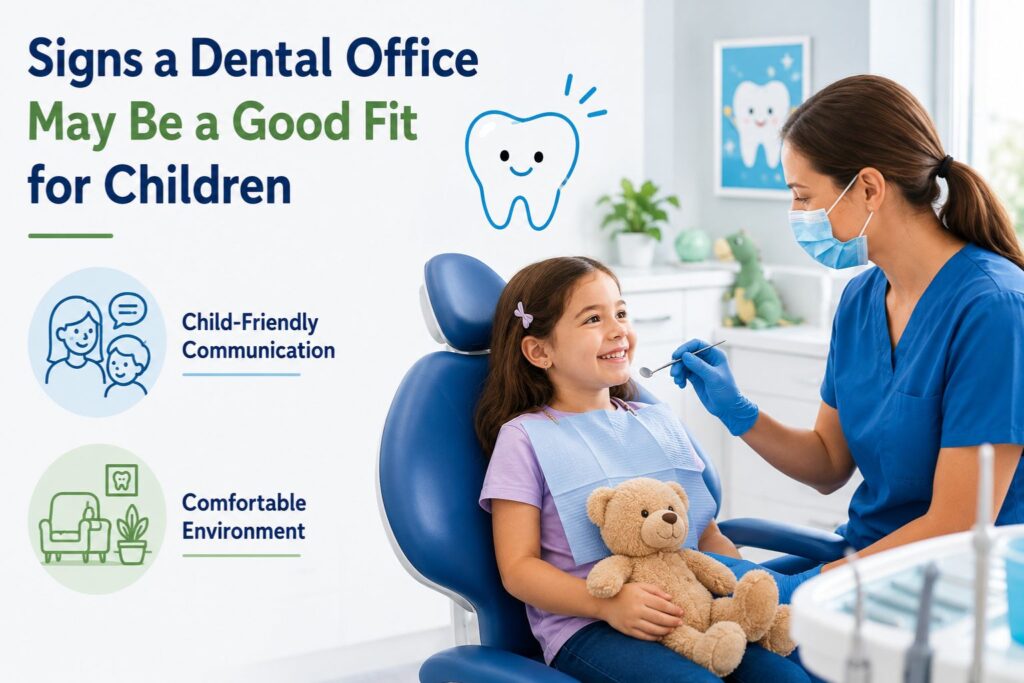
Communication That Feels Child-Friendly
Children process information differently from adults. A provider who explains procedures using simple language can help reduce fear and confusion.
Look for offices that:
- Speak directly to children, not only parents
- Explain instruments before using them
- Encourage questions during visits
- Use calm and reassuring language
- Avoid creating pressure during treatment
A positive tone can completely change how a child reacts during future appointments.
A Comfortable Environment
The atmosphere inside a dental office can influence a child’s comfort more than many families expect. Bright lighting, loud sounds, and unfamiliar smells may overwhelm younger children.
A welcoming office often includes:
- Kid-friendly waiting spaces
- A calm atmosphere
- Friendly team members
- Gentle transitions between procedures
- Patience during first visits
Children who feel emotionally comfortable are often more cooperative during treatment.
Questions Parents Should Ask Before a Consultation
Parents do not need to feel rushed when selecting care for their children. Asking thoughtful questions can help narrow down the right fit.
Here are several important topics to discuss during an initial call or consultation:
How Are Nervous Children Handled?
Dental anxiety is common among children. Some become quiet, while others cry or avoid treatment entirely.
Ask how the office approaches:
- First-time visits
- Fearful behavior
- Sensory sensitivity
- Longer procedures
- Communication with anxious children
The answers often reveal how patient-centered the office truly is.
What Preventive Services Are Offered?
Preventive care supports long-term oral health and helps children avoid avoidable dental problems later.
Parents should ask about:
- Dental cleanings
- Fluoride treatments
- Sealants
- Digital X-rays
- Growth monitoring
- Sports mouthguards
Preventive care is particularly important for children involved in local athletics, dance programs, or outdoor activities common throughout Burbank schools and recreation centers.
How Do We Educate Families?
Good oral health habits continue at home. Parents benefit from practical guidance tailored to their child’s age and habits.
Helpful education may include:
- Brushing techniques
- Nutrition guidance
- Thumb-sucking concerns
- Pacifier habits
- Orthodontic monitoring
- Cavity prevention tips
Clear communication helps families feel more confident between visits.
The Importance of a Positive First Visit
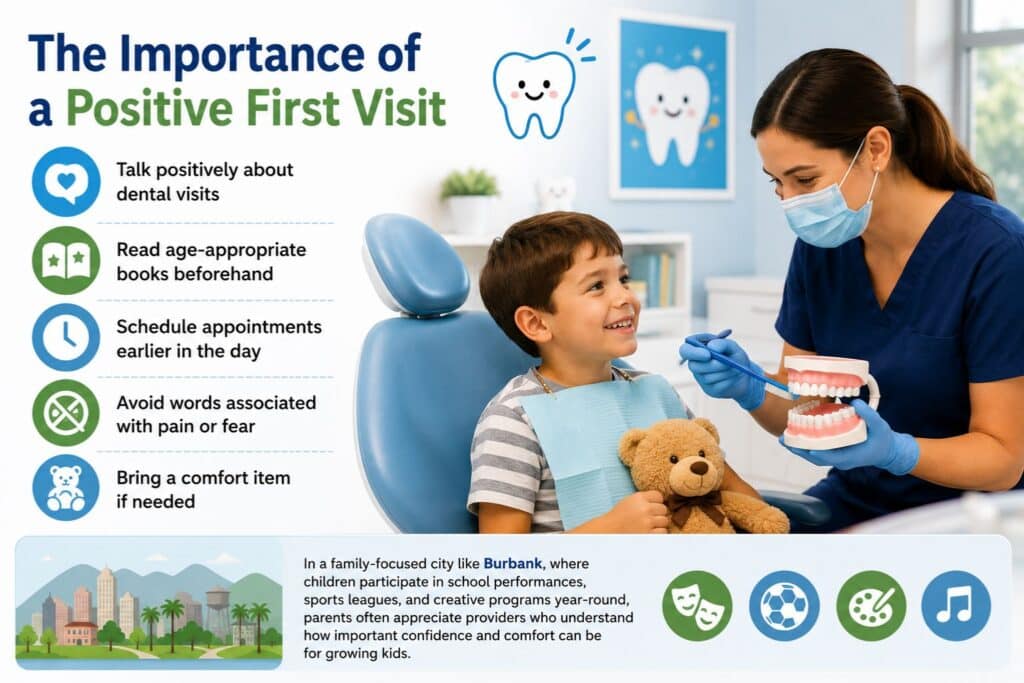
A child’s first dental visit often leaves a lasting impression. If the visit feels rushed or frightening, future appointments may become more difficult.
Parents can help prepare children by:
- Talking positively about dental visits
- Reading age-appropriate books beforehand
- Scheduling appointments earlier in the day
- Avoiding words associated with pain or fear
- Bringing a comfort item if needed
Many children respond better when they know what to expect beforehand.
In a family-focused city like Burbank, where children participate in school performances, sports leagues, and creative programs year-round, parents often appreciate providers who understand how important confidence and comfort can be for growing kids.
Technology and Modern Pediatric Care
Modern dental technology can improve both comfort and accuracy during treatment. Many children feel more relaxed when procedures are faster and less invasive.
Parents may notice offices using:
- Digital imaging
- Low-radiation X-rays
- Intraoral cameras
- Modern sterilization systems
- Comfortable seating and lighting
Technology alone does not define quality care, but it can improve efficiency and communication.
When children can see pictures of their own teeth, they often gain a clearer understanding of proper brushing and why certain treatments may be needed.
Why Consistency Matters for Children
Children benefit from seeing familiar faces during dental visits. Consistent care helps build trust over time and allows providers to monitor developmental changes more accurately.
Regular appointments also help providers notice patterns involving:
- Teeth eruption
- Jaw alignment
- Bite changes
- Grinding habits
- Oral hygiene routines
Consistency can be especially valuable during periods of rapid growth.
Families who establish routine dental visits early often find that appointments become easier as children grow older.
Helping Children Build Lifelong Habits
Children frequently pick up on the habits and behaviors modeled by their parents at home. When parents approach oral care positively, children are more likely to view it as a normal part of staying healthy.
Helpful ways to encourage good habits include:
- Brushing together at home
- Creating morning and nighttime routines
- Choosing child-friendly toothbrushes
- Limiting sugary snacks and drinks
- Keeping regular dental appointments
Small, consistent routines can support healthier smiles well into adulthood.
Supporting Healthy Smiles Through Every Stage
Choosing a provider for children’s oral health is about more than convenience. Families want care that supports emotional comfort, healthy development, and long-term habits that grow alongside their children.
At Nalbandian Dentistry, families searching for pediatric dentistry in Burbank, CA, can find an environment focused on communication, prevention, and thoughtful care for growing smiles. From early childhood visits to ongoing preventive care, the goal is to help children feel comfortable and supported during every stage of development.
Strong oral health habits begin early and continue through every school year, activity, and milestone ahead. Scheduling regular visits gives children the opportunity to build confidence while protecting their smiles for the future.
Questions People Ask About Children’s Dental Care
At what age should a child first visit a dental office?
Children should generally have their first dental visit by their first birthday or when the first tooth appears. Early visits help monitor growth, identify concerns, and create positive familiarity with dental care from a young age. These appointments also help parents learn proper cleaning techniques and healthy oral habits.
How often should children have dental checkups?
Most children benefit from dental checkups every six months. Regular visits allow providers to monitor development, remove plaque buildup, and identify concerns before they progress. Children with higher cavity risk, orthodontic concerns, or certain habits may require more frequent monitoring to maintain healthy teeth and gums.
Why do children develop cavities even when brushing daily?
Children may still develop cavities due to diet, inconsistent brushing techniques, weakened enamel, or hidden plaque buildup between teeth. Frequent snacking and sugary drinks can also contribute. Regular dental visits help identify early decay and provide preventive guidance that supports stronger long-term oral health habits.
How can parents reduce dental anxiety in children?
Parents can reduce anxiety by speaking positively about dental visits, avoiding fear-based language, and choosing calm appointment times. Reading children’s books about dental care beforehand may also help. Consistent visits and supportive communication often allow children to become more comfortable and cooperative over time.
Are baby teeth really that important if they fall out later?
Baby teeth play a major role in speech, chewing, jaw development, and the guidance of adult teeth into position. Premature tooth loss can sometimes affect spacing and alignment. Keeping primary teeth healthy supports proper development and may reduce future complications involving bite and tooth positioning.
What are dental sealants for children?
Dental sealants are thin, protective coatings applied to the chewing surfaces of back teeth. They help block food particles and bacteria from settling into deep grooves where cavities commonly develop. Sealants are often recommended for school-age children as part of preventive dental care and to protect against cavities.