


Have you recently got dental veneers and noticed a sensitivity to hot or cold foods? You’re not alone. Many people experience some form of tooth sensitivity after undergoing veneer treatment, but the good news is that it’s usually temporary and manageable.
Dental veneers are a popular cosmetic solution that can completely transform your smile by improving the appearance of stained, chipped, or uneven teeth. However, some patients do experience a period of sensitivity after the procedure.
In this blog, we’ll explore the potential causes of tooth sensitivity following veneer treatments and provide helpful tips on how to manage it. Whether you’ve just had veneers placed or are considering them, understanding what causes sensitivity can help you navigate the process with confidence.
What Are Dental Veneers?
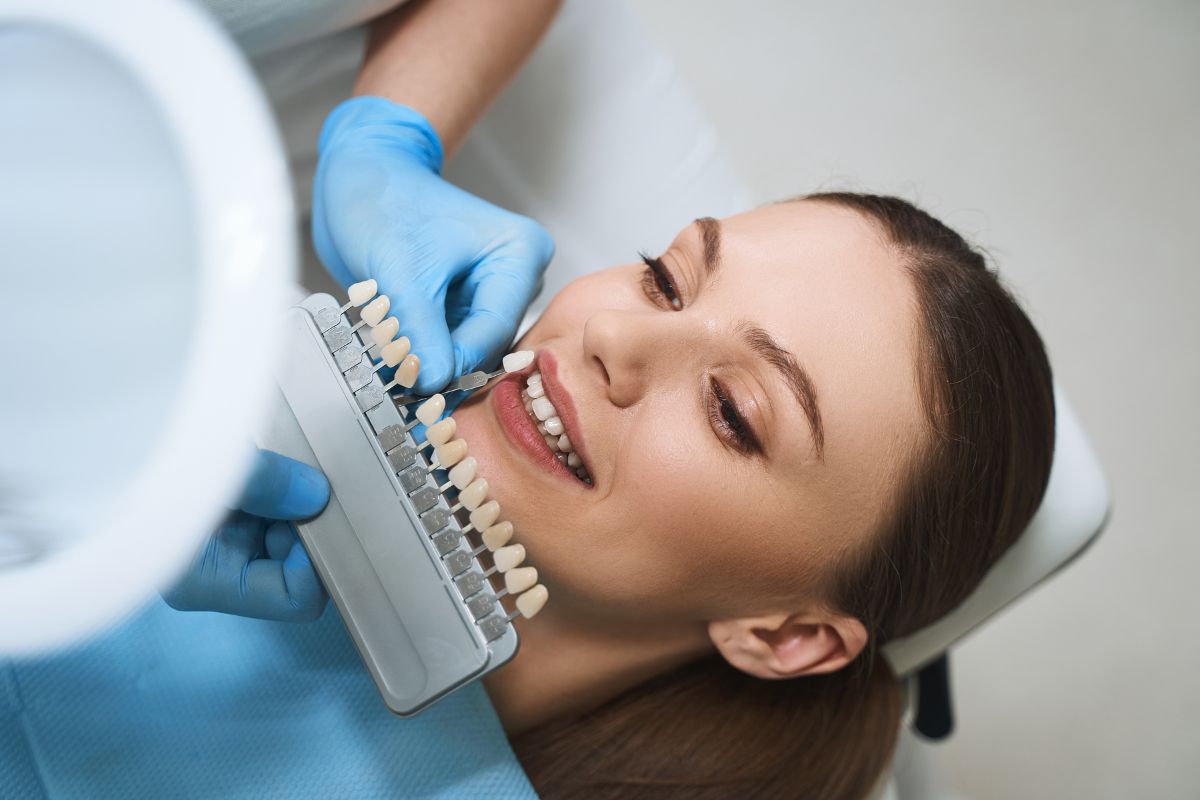
Dental veneers are thin, custom-made shells of porcelain or composite resin that are designed to cover the front surface of your teeth. They are bonded to the teeth to improve their color, shape, size, or length, offering a dramatic cosmetic transformation. Veneers are often used to fix cosmetic issues such as discoloration, chips, gaps, and uneven teeth.
Benefits of Veneers
Veneers are known for their ability to improve the aesthetics of your smile in a non-invasive way. One of the main advantages of veneers is that they provide a natural-looking result. Porcelain veneers, in particular, reflect light much like natural teeth, creating a highly realistic appearance. Additionally, they resist staining from food and beverages, offering a long-lasting solution for teeth that are prone to discoloration.
Procedure Overview
The process of getting dental veneers in Burbank typically involves two visits to the dentist. During the first visit, the dentist will take impressions of your teeth and prepare them for the veneers. This preparation involves lightly reshaping the surface of your teeth to allow the veneers to fit seamlessly.
Afterward, temporary veneers may be placed until your custom ones are ready. Once the permanent veneers arrive, they are bonded to your teeth, providing a durable and aesthetic improvement. Although the process is minimally invasive, some patients may experience slight discomfort or sensitivity as part of the procedure.
Understanding Tooth Sensitivity
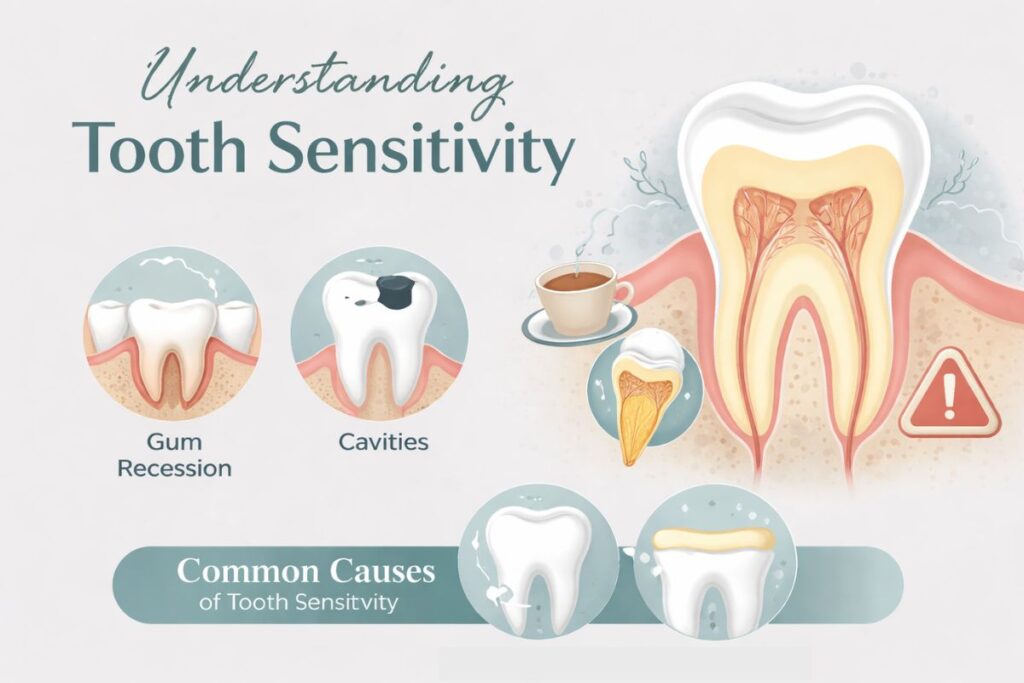
Tooth sensitivity is a common dental issue that occurs when the underlying layer of your teeth, called dentin, becomes exposed. Dentin is connected to the nerve endings in your teeth, and when it’s exposed, it can lead to heightened sensitivity, especially when consuming hot, cold, or sweet foods and drinks.
What Causes Tooth Sensitivity?
Sensitivity can arise from a variety of factors. In some cases, it’s due to thinning enamel, which is the outer protective layer of the teeth. When enamel wears down, it exposes the dentin underneath, causing sensitivity.
Other common causes of tooth sensitivity include gum recession, which exposes the roots of the teeth, and cavities that may have formed under existing dental work.
How Sensitivity Happens
Tooth sensitivity occurs when the nerves inside the teeth react to external stimuli, such as temperature changes. The sensation is usually sharp or sudden, and it can cause discomfort when consuming food or drink that is either too hot or too cold. For those with veneers, the process of prepping the teeth for the procedure may involve a slight removal of enamel, which can temporarily increase sensitivity.
Common Causes of Tooth Sensitivity
- Gum Recession: When gums pull back, they expose the sensitive areas of the tooth’s root, which can cause discomfort.
- Cavities: Cavities or dental decay can cause the tooth to become more sensitive, especially when untreated.
- Enamel Thinning: Over time, enamel may wear down due to aging or improper brushing techniques, leading to more sensitivity.
Can Dental Veneers Cause Sensitivity?
While dental veneers are designed to enhance the aesthetic appearance of your teeth, the process of placing them can lead to temporary tooth sensitivity.
The Procedure’s Impact on Sensitivity
To prepare for dental veneers, a small amount of enamel is typically removed from the tooth’s surface. This slight reduction in enamel thickness can cause the underlying dentin to be exposed, which can lead to heightened sensitivity for a short period. This is especially common after the procedure and typically subsides within a few days to weeks.
Temporary vs. Long-Term Sensitivity
In most cases, the sensitivity caused by dental veneers is temporary and diminishes as the teeth adjust to the new veneers. However, in some instances, sensitivity may persist or even worsen, which could be indicative of a deeper issue. If the sensitivity lingers for a prolonged period or becomes more severe, it’s important to contact your dentist.
Factors That Can Increase Sensitivity After Veneers:
- Improper Fitting: If the veneers are not properly bonded or fitted, they may cause discomfort or sensitivity.
- Overly Aggressive Removal of Enamel: In some cases, removing too much enamel can lead to increased exposure of dentin, causing lasting sensitivity.
- Existing Dental Health Issues: If you have pre-existing conditions such as gum recession or tooth decay, these issues may exacerbate sensitivity after getting veneers.
How to Manage and Prevent Sensitivity
If you’re experiencing sensitivity after getting dental veneers in Burbank, don’t worry. It’s usually manageable with a few simple steps.
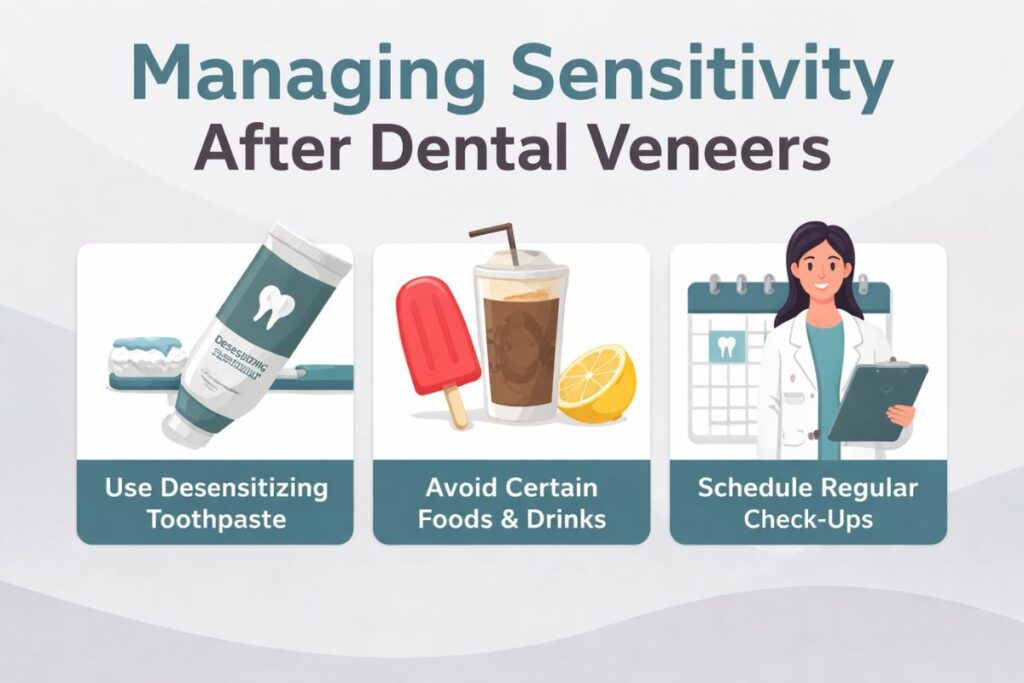
Use of Desensitizing Toothpaste
There are several toothpastes specifically formulated to reduce tooth sensitivity. These products contain compounds that block the transmission of pain signals from the surface of your teeth to the nerve, providing relief from sensitivity. Look for toothpastes labeled as “desensitizing” or “for sensitive teeth.”
Avoiding Certain Foods and Drinks
To minimize sensitivity, avoid consuming foods and drinks that are too hot, cold, or acidic. These can trigger discomfort and aggravate sensitivity in the early days following the procedure. If you’re sensitive to cold, try using a straw to limit direct contact with your teeth.
Regular Check-ups and Professional Advice
If the sensitivity doesn’t subside after a few weeks or if it becomes unbearable, schedule a visit with your dentist. They can check the fit of your veneers and address any underlying issues, such as gum recession or improper veneer placement.
When to Contact Your Dentist
While mild sensitivity is a normal part of the healing process, there are certain signs that may indicate a more serious issue with your veneers.
Signs of a Serious Issue
- Persistent Sensitivity: If sensitivity lasts longer than a few weeks, it could suggest that the veneers are improperly fitted or that there is an underlying problem, such as tooth decay.
- Pain While Biting or Chewing: Pain while chewing could indicate that the veneer is loose or misaligned.
- Visible Damage to the Veneer: If you notice chips or cracks in the veneer, it’s important to have it assessed by your dentist right away.
Prompt Action
If you experience prolonged or severe sensitivity, contact your dentist promptly. Delaying treatment could lead to more serious complications. At Nalbandian Dentistry, we are committed to ensuring that your veneers fit properly and provide a long-lasting, comfortable solution for your smile.
In summary, while dental veneers can cause some temporary sensitivity, it’s generally a short-term issue that can be managed effectively with the right care. If you experience mild sensitivity after your procedure, it’s often a natural part of the healing process. However, if the sensitivity persists or worsens, it’s important to seek professional advice from your dentist.
At Nalbandian Dentistry, we understand how important it is to have a healthy and comfortable smile. If you’re experiencing any discomfort or have concerns about your dental veneers, don’t hesitate to schedule an appointment with us. We’re here to ensure that your veneer experience is as smooth and painless as possible.
People Also Ask
1. How long does sensitivity last after veneers?
Sensitivity is usually temporary and should subside within a few days to a couple of weeks after the procedure.
2. Is sensitivity a sign that something is wrong with my veneers?
Not necessarily. Mild sensitivity is normal, but if it persists, it may indicate an issue with the veneers or underlying teeth.
3. Can the fit of my veneers affect sensitivity?
Yes, if the veneers are not properly fitted, they can lead to discomfort and prolonged sensitivity.
4. Can I continue with my normal diet after getting veneers?
You may need to avoid extremely hot, cold, or acidic foods for a few days to manage sensitivity. After the adjustment period, you can usually return to your normal diet.
5. Is it normal to feel pain while chewing after veneers?
Pain while chewing could indicate an issue with the veneers or underlying teeth. It’s important to see your dentist if this occurs.