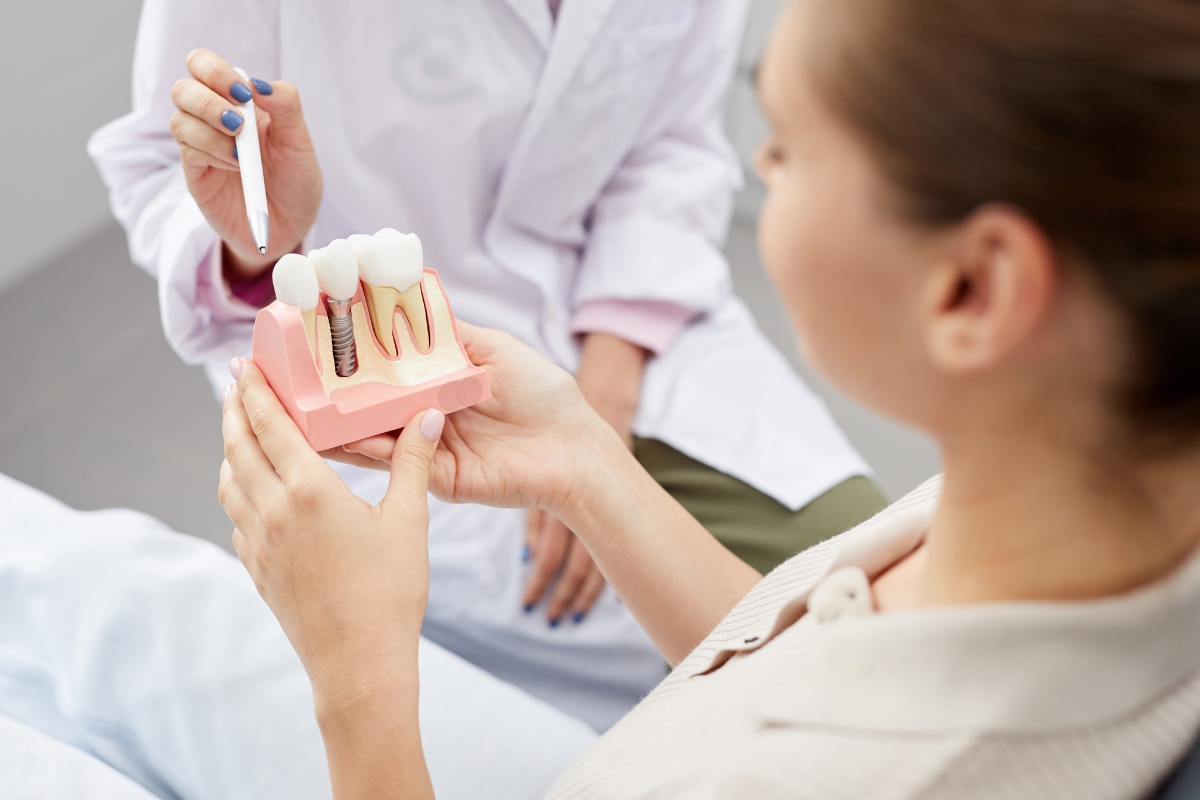


Many people assume they’re a one-time solution, but with proper care, dental implants can actually last a lifetime. They provide a strong foundation for artificial teeth, but like anything else, they also need maintenance. If proper attention isn’t given, complications may ensue that cut their life expectancy.
In this blog, we will discuss some key tips and professional advice on how to keep your dental implants in top condition for decades.
Why Proper Care Is Crucial for Dental Implants
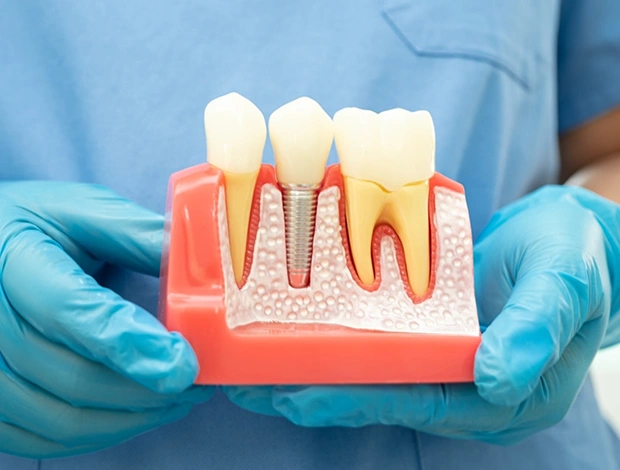
While dental implants are meant to last a lifetime, proper care determines their longevity. These implants are made from titanium and integrate into your jawbone, serving as a strong anchor for artificial teeth.
Without regular maintenance, however, your implants may become prone to infection, periodontal disease, or even bone loss. You create problems that can reduce the life span of the implants and cause more discomfort than you need if you don’t care for them.
Daily Care Tips for Maintaining Dental Implants
Good oral hygiene is the foundation of how you will maintain your dental implants in Burbank. Regularly brush your implants with an implant-friendly toothbrush to avoid plaque formation. Flossing is important, too, using special floss for implants that will clean between the teeth. Mouthwash with no alcohol is recommended to clean the implants without destroying the material they are made of.
In addition, a diet rich in calcium and vitamin D is advisable, while hard foods that can cause damage to the implant should be avoided. These small steps taken daily will help you keep your implants for many years.
Regular Checkups and Professional Care
Implants require regular dental check-ups. Regular visits to your dentist will help you determine whether your implant is performing well and catch any problems in their early stages. Professional cleaning removes plaque around the implants that daily brushing and flossing may not be able to remove.
Early detection of complications, such as gum disease or bone loss, can avert more serious consequences and allow your dental implants to last for a longer period. Your dentist will also check the fit of your implants and make any needed adjustments.
Avoiding Physical Trauma to Your Dental Implants
While these artificial tooth roots are extremely resilient, excessive force can still damage them. Avoid hard foods that can put unnecessary pressure on your implants. Examples include ice or nuts.
If you participate in a contact sport or any activity where there is a risk of trauma to the mouth, then you should always wear a mouthguard to cushion your implants from an impact. Teeth grinding, or bruxism, may also cause gradual damage to implants.
A night guard is recommended if you grind your teeth during sleep as a means of protecting both your natural teeth and dental implants.
Signs You May Need to Visit Your Dentist
It is important to know when something is not right with these dental solutions. Look for signs such as discomfort, swelling, or deviations from the norm surrounding the implant site. If you experience bleeding, tenderness, or have difficulty chewing, it is time to see your dentist.
The symptoms may mean infection or another problem that needs to be checked by a professional. One needs to take action quickly so complications do not interfere with your artificial tooth roots being healthy.
Long-Term Care: What You Need to Know
With time, dental implants in Burbank will often require additional care. Your implants may need minor adjustments, such as re-tightening or replacing certain parts over time. Keeping the surrounding bone and gum tissue healthy is crucial to preventing bone loss and allowing the implant to function properly.
Regular visits to the dentist will help make sure your implant fits and functions well into the future. With proper care, your implant can last for many decades.
The bottom line is that your dental implants require regular care and check-ups, and protection from physical damage. By following these easy steps, you will be able to keep your dental implants healthy and working correctly for many years to come.
Don’t wait until problems surface-schedule a consultation with our dentists today to ensure your dental implants are in great condition for the long term. Your smile depends on it.
FAQs
How can I keep my gums healthy with dental implants?
Brushing and flossing regularly, along with professional cleanings, will help keep your gums healthy and prevent infection around the implant.
Can dental implants affect my speech?
Once healed, dental implants should not affect your speech. They function like natural teeth, and any initial adjustment period should be short.
Are dental implants susceptible to infection?
Yes, if not properly cared for, dental implants can become infected. Regular cleaning and checkups help prevent infection.
Can I use regular toothpaste on dental implants?
Avoid using toothpaste with abrasives. Use a non-abrasive, fluoride-free toothpaste designed for implants.
What should I do if my dental implant feels loose?
Contact your dentist immediately if your implant feels loose. It may need adjustment or replacement.