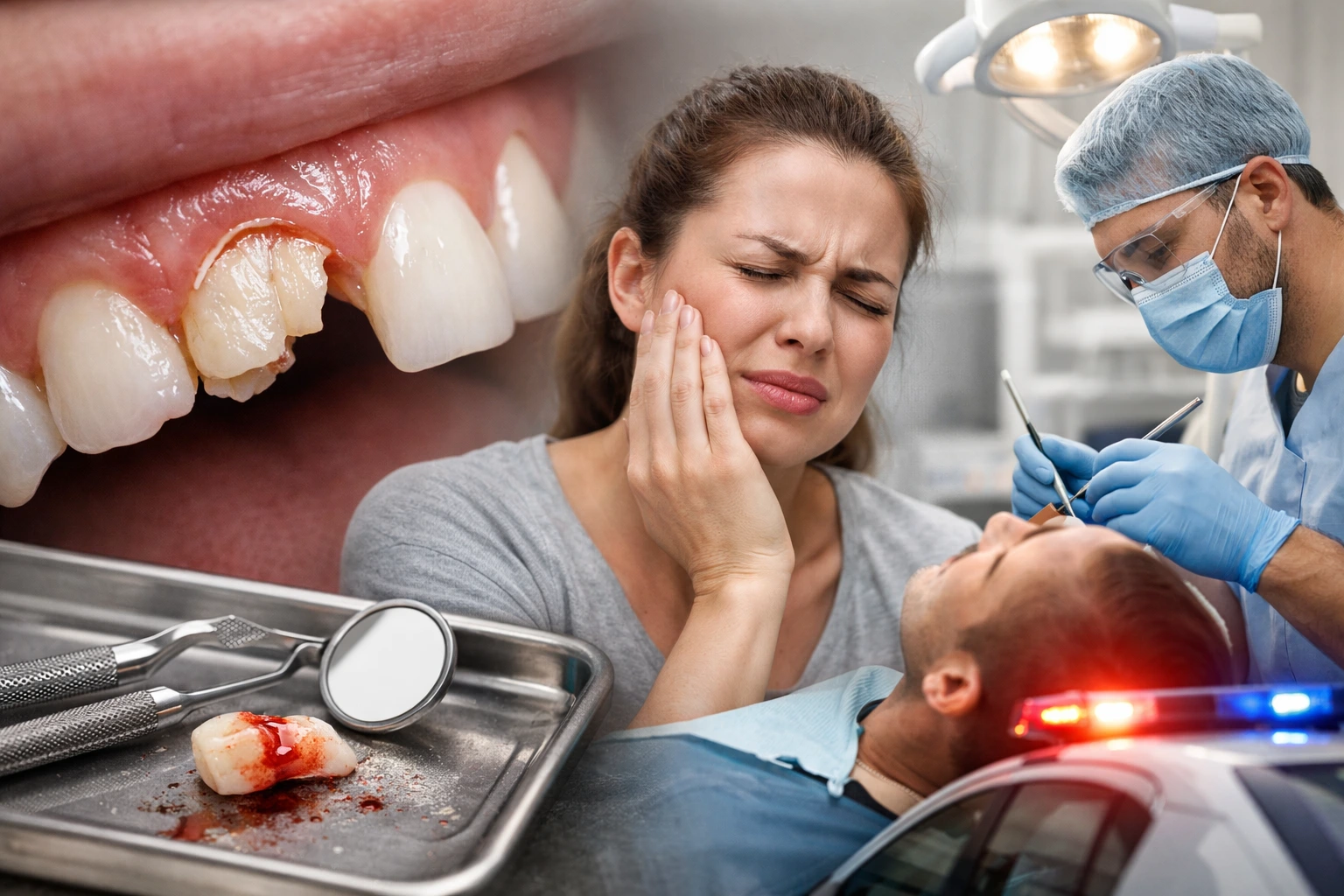



Just imagine this: It’s a Friday evening, and you’ve just bitten into a crisp apple when, suddenly, you feel a sharp pain in your tooth. Or maybe you’re out for a jog, and someone elbows you in the mouth, causing your tooth to break. These types of dental emergencies can happen when you least expect them. The pain, panic, and uncertainty that follow can be overwhelming, but the good news is that many emergencies can be prevented or minimized with proper care.
While dental accidents happen, a little attention to your dental health can go a long way in preventing these unexpected visits. In this post, Nalbandian Dentistry shares some essential tips to help you maintain a healthy, pain-free smile and handle those dental emergencies when they arise.
If you’re ever in need of urgent dental care in Burbank, California, USA, don’t hesitate to reach out to Nalbandian Dentistry for fast and reliable help. Book an appointment with us today and make sure your dental health is in the best hands possible. Remember, taking care of your teeth today can save you from pain and costly treatments tomorrow!
Understanding Dental Emergencies
Dental emergencies can range from sudden accidents to persistent pain that won’t go away. So, what exactly constitutes a dental emergency?
Common Dental Emergencies:
- Severe Toothaches: This is often a sign of an underlying issue like a cavity, infection, or abscess.
- Knocked-out Teeth: Accidents can cause teeth to become dislodged, which can be a traumatic and time-sensitive situation.
- Broken or Cracked Teeth: Whether caused by biting something hard or an injury, a broken tooth requires immediate attention to avoid further damage.
- Lost Fillings or Crowns: If a filling or crown falls out, it can expose sensitive tooth tissue, leading to pain or infection if not addressed.
How to Recognize an Emergency:
- Pain Level: Severe pain that doesn’t subside with over-the-counter medication is a clear sign you need professional help.
- Swelling or Bleeding: Uncontrolled bleeding or swelling in the gums or around a tooth might indicate an infection or injury.
- Functional Issues: If you have difficulty eating, speaking, or moving your mouth due to pain or damage, it’s time to consult an emergency dentist in Burbank.
Understanding when to seek help can mean the difference between a simple treatment and a long-term issue.
Preventive Dental Care Tips
While emergencies are unavoidable at times, regular dental care can minimize the chances of unexpected issues. Here are a few tips from Nalbandian Dentistry to keep your smile healthy and strong:
1. Brush and Floss Regularly:
Maintaining good oral hygiene is the most effective way to prevent cavities, gum disease, and tooth decay. All of which can lead to more serious issues later. Brush your teeth at least twice a day with fluoride toothpaste, and floss daily to remove plaque and food particles stuck between teeth.
2. Protect Your Teeth:
If you play sports or engage in physical activities, consider wearing a mouthguard. It’s a simple, preventive measure that can prevent tooth fractures and injuries to your gums. If you grind your teeth at night, talk to your dentist about a night guard to prevent wear and tear on your teeth.
3. Watch Your Diet:
What you eat impacts your teeth’s health. Sugary foods and drinks fuel harmful bacteria, which can lead to cavities. Try to avoid sugary snacks and acidic beverages. Also, limit alcohol and smoking, as these can contribute to gum disease and tooth discoloration. Drinking plenty of water also helps rinse away debris and neutralize acids in your mouth.
By following these habits, you can prevent many of the dental issues that might otherwise require emergency care.
How to Handle a Dental Emergency
Accidents happen, and knowing how to react when one does can help prevent further damage. Here’s what you can do:
Immediate Actions:
- Knocked-out Tooth: If a tooth gets knocked out, it’s essential to act quickly. Rinse the tooth gently with water (do not scrub), and try to place it back in the socket if possible. If you can’t, keep it in a glass of milk or saline solution. Seek immediate dental care. Time is of the essence.
- Broken Tooth: If you break a tooth, rinse your mouth with warm water and apply a cold compress to reduce swelling. Avoid using the broken tooth for chewing and visit the dentist as soon as possible.
- Toothache: For a sudden, severe toothache, rinse your mouth with warm water and floss gently to remove any debris. Take over-the-counter pain medication until you can see your dentist.
- Lost Crown or Filling: If a crown or filling falls out, place it back over the tooth if you can. Avoid chewing on that side, and make an appointment with your dentist.
When to Seek Immediate Care:
In any situation, if you experience intense pain, prolonged bleeding, or if your tooth is knocked out, it’s important to visit an emergency dentist in Burbank, California, USA, promptly. Waiting too long can lead to complications or infections that are harder to treat.
Great atmosphere, curtious and professional staff. Highly recommend Dr. Nicole Nalbandian for any dental work, she’s helpful, knowledgeable and has a genuine concern for your health and overall well-being. Thank you and your excellent team for the great experience.
When to Visit an Emergency Dentist
Some dental situations are clear emergencies, and some may require a bit more judgment. Here’s when you should reach out to an emergency dentist:
Signs You Need Immediate Help:
- Severe Pain or Swelling: If you experience intense, unrelenting pain that doesn’t improve with medication or a swollen, infected area that doesn’t subside, it’s time for immediate dental care.
- Injury to Teeth or Mouth: If you’ve had an accident that results in broken teeth, bleeding gums, or even an injury to your jaw, don’t wait. Seek help right away.
- Inability to Use Your Mouth: If you can’t eat, speak, or open your mouth due to pain or injury, it’s crucial to visit an emergency dentist.
What to Expect During an Emergency Visit:
- Examination and X-rays: Your dentist will examine the affected area and may take X-rays to assess the extent of the damage.
- Treatment Plan: Depending on the situation, your dentist will offer solutions such as fillings, crowns, or even root canal treatment to save the tooth.
- Pain Management: Most emergency dental visits include steps to manage your pain and reduce swelling. You’ll leave with the relief you need.
Dental emergencies can be unsettling, but with the right care and preventive measures, you can minimize the chances of unexpected visits to the dentist. Regular checkups, good oral hygiene, and being mindful of your dental habits go a long way in keeping your smile healthy and strong.
Real Questions Burbank Patients Ask About Emergency Dental Care
Is it possible to prevent a tooth from becoming loose?
Maintain proper oral hygiene, avoid injury, and treat gum disease early to prevent teeth from loosening.
Why is my tooth throbbing?
Throbbing tooth pain often indicates an infection, abscess, or deep cavity that requires immediate treatment.
Can teeth grinding cause dental emergencies?
Yes, teeth grinding can lead to worn-down teeth, fractures, and jaw pain, and may require treatment from your dentist.
How does smoking affect dental health?
Smoking contributes to gum disease, tooth loss, and oral cancer. It also stains teeth and slows down healing after dental procedures.
How can I reduce tooth sensitivity?
Use toothpaste for sensitive teeth, avoid acidic foods, and consult your dentist for a personalized treatment plan.