

When was the last time you visited the dentist for a routine check-up? If it’s been a while, you’re not alone. Many people push off dental visits, thinking they’re unnecessary unless there’s a problem. However, routine dental check-ups are a vital part of maintaining your overall oral health. These regular visits help prevent major issues, catch problems early, and keep your smile healthy for years to come.
In this blog, we’ll take you through what typically happens during a routine dental visit and why you should make it a priority. From exams to cleanings, we’ll explain each step and highlight why skipping these visits can lead to bigger problems down the line.
What Is a Routine Dental Visit?
A routine dental visit is a regular check-up that involves a thorough examination, professional cleaning, and, when necessary, diagnostic tests like X-rays. These visits are typically scheduled every six months to help maintain good oral hygiene and prevent more serious dental issues from developing.
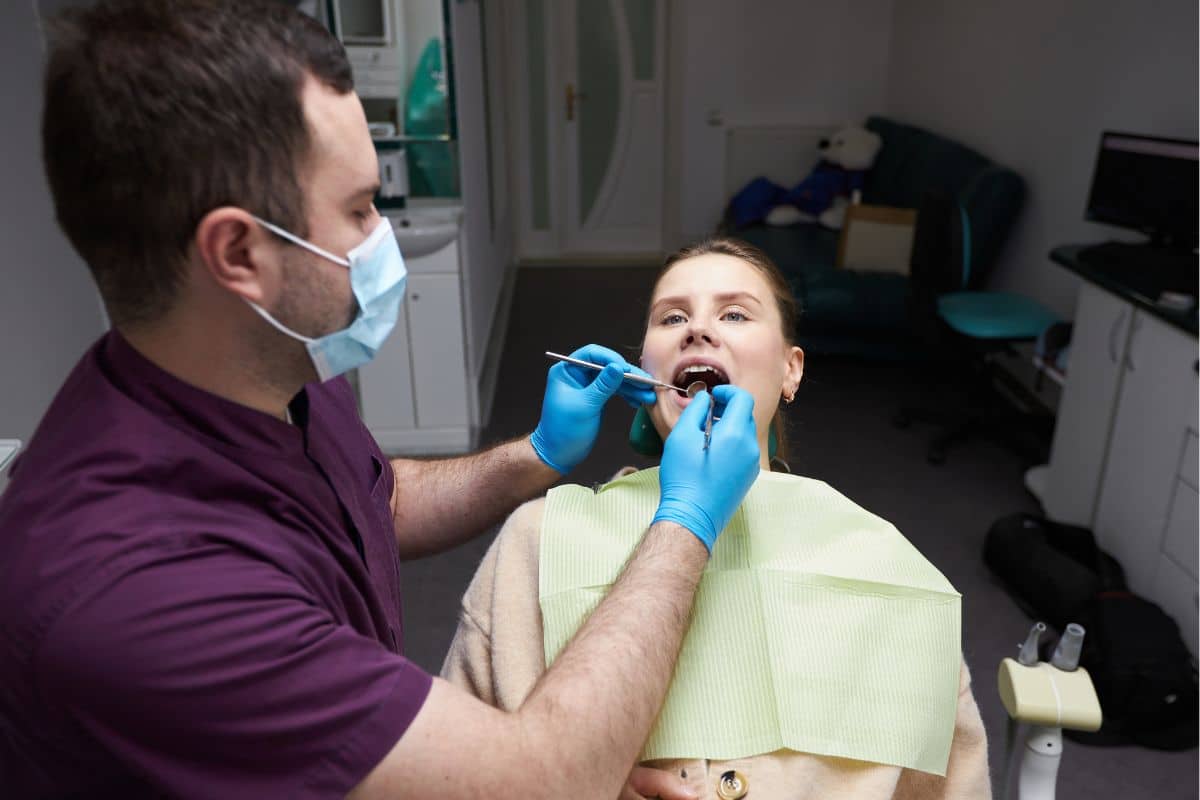
During a routine dental visit, you’ll begin by checking in at the front desk and filling out any necessary paperwork. Once you’re in the treatment room, the general dentist in Burbank will start with a visual inspection of your teeth and gums.
They may also ask about your medical history to ensure they have the most up-to-date information regarding any potential risks or changes in your health. If needed, X-rays might be taken to get a more in-depth view of your teeth and jawbone.
The dentist will then examine your mouth for signs of cavities, gum disease, and other oral health concerns. After that, you’ll receive a professional cleaning, which involves removing plaque and tartar, polishing your teeth, and applying fluoride to protect your enamel. At the end of the appointment, the dentist will discuss any findings and suggest a personalized treatment plan if needed.
What to Expect in a Routine Dental Visit
Step 1: Thorough Examination
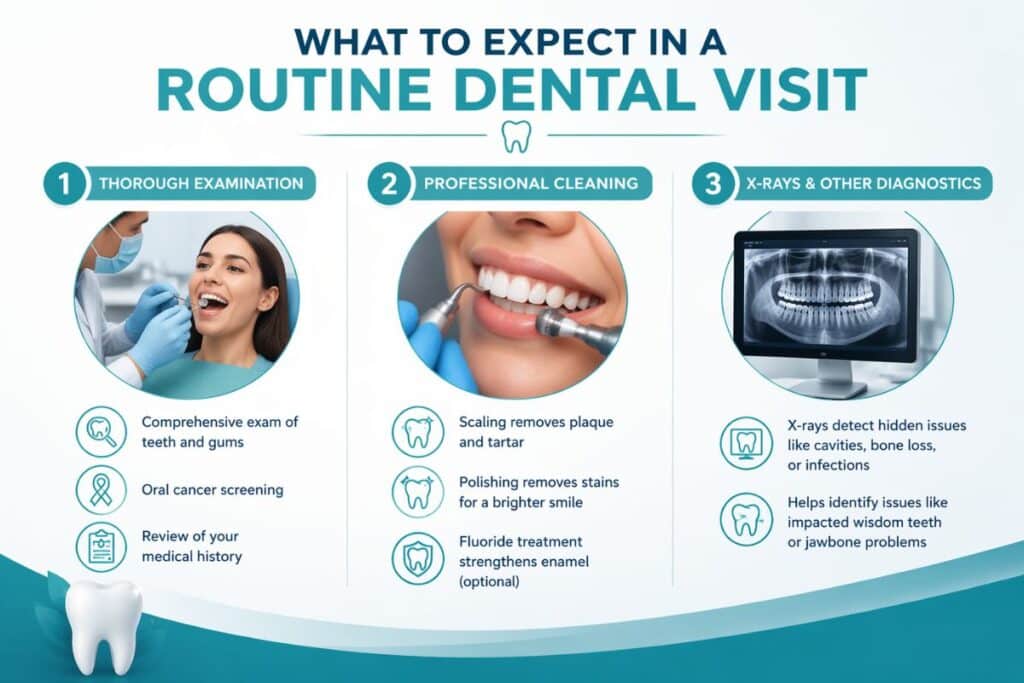
Your dentist will begin with a visual inspection of your teeth and gums to check for any visible signs of cavities, gum disease, or other oral health issues. The dentist will look for redness, swelling, or bleeding in your gums, all of which can be signs of gum disease. Additionally, the dentist will check for any signs of tooth decay, cracks, or other abnormalities.
Many dentists also perform an oral cancer screening during this exam. They will gently feel the sides of your neck and under your jaw to check for lumps or other signs of cancer. Catching oral cancer early significantly increases the chance of successful treatment, which is why this step is essential.
Additionally, the dentist will review your medical history to identify any potential risks. For example, certain health conditions, medications, or lifestyle habits can affect your oral health, and knowing this information helps your dentist provide the best care possible.
Step 2: Professional Cleaning
One of the most important aspects of a routine dental visit is the professional cleaning. Even with regular brushing and flossing, plaque and tartar can still build up on your teeth. Scaling is the process of removing this buildup, especially from hard-to-reach areas that brushing can miss. The hygienist will use specialized tools to gently remove the plaque and tartar from your teeth and gums.
After the scaling is done, the hygienist will move on to polishing your teeth. This process helps remove surface stains caused by food and beverages like coffee, tea, or wine. Polishing leaves your teeth feeling smooth and looking brighter.
Some dental offices also apply fluoride treatment at the end of the cleaning. Fluoride helps strengthen tooth enamel, making it more resistant to cavities and decay. While fluoride treatment is optional, it’s highly recommended for most patients, especially those at higher risk for cavities.
Step 3: X-Rays and Other Diagnostics
While visual exams can catch many oral health issues, X-rays are used to detect problems that aren’t visible to the naked eye. X-rays allow your dentist to see cavities between your teeth, signs of bone loss, or infections beneath the surface. They are typically taken once a year or more often if there are specific concerns, such as a history of cavities or gum disease.
X-rays can also help identify issues like impacted wisdom teeth or problems with your jawbone, allowing the dentist to address them before they lead to more serious complications.
Why You Shouldn’t Skip Routine Dental Visits
Prevention of Major Issues
One of the main benefits of routine dental visits is early detection. The earlier dental issues are identified, the easier and less expensive they are to treat. For example, cavities detected early can be filled before they progress to the point where a root canal is necessary. Gum disease can often be reversed in its early stages, preventing the need for more invasive treatments like surgery or tooth extractions.
Better Long-Term Oral Health
Regular dental check-ups ensure that your teeth and gums remain healthy over time. By staying on top of potential issues, you’ll maintain a healthier smile and avoid the long-term effects of untreated dental problems, such as tooth loss or chronic gum disease. Additionally, a clean, healthy mouth can help you avoid bad breath and maintain a bright, confident smile.
Cost-Effectiveness
It might seem tempting to skip a routine dental visit to save money, but in reality, preventive care is far more cost-effective. Early detection and treatment of dental issues typically cost much less than dealing with more severe problems down the line. Avoiding costly procedures like root canals, crowns, or extractions is one of the main reasons why regular visits are so important.
Overall Health Impact
Your oral health doesn’t exist in isolation. It affects your overall well-being. Research has shown that oral health is linked to a variety of systemic conditions, such as heart disease, diabetes, and stroke. By maintaining good oral hygiene and visiting your general dentist in Burbank regularly, you can help reduce your risk of these health problems.
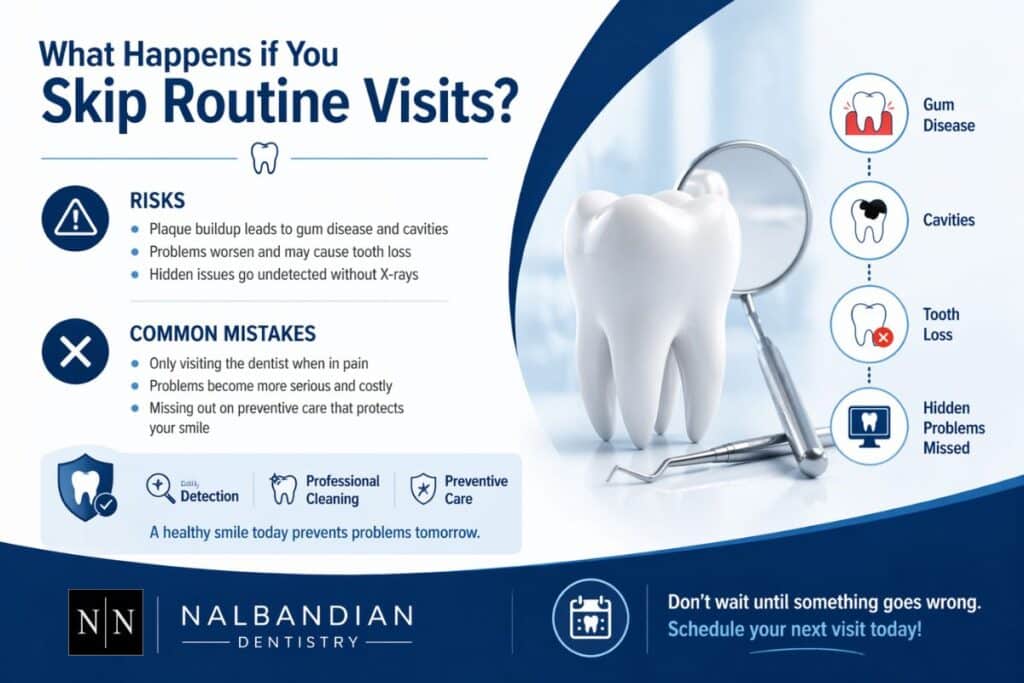
What Happens if You Skip Routine Visits?
Risks of Skipping Appointments
Skipping routine dental visits may seem harmless, but it can lead to serious consequences. Without regular exams and cleanings, plaque and tartar can build up, leading to gum disease, cavities, and tooth loss. Gum disease, in particular, can be a silent condition that doesn’t cause pain until it’s advanced, making regular check-ups essential for early intervention.
Additionally, failing to get regular X-rays means missing out on the opportunity to detect problems that aren’t visible during a standard exam, like cavities between teeth or issues with your jawbone.
Common Mistakes
Some people only visit the dentist when they’re in pain, but by then, the issue may have progressed to a more serious stage. For example, waiting until a toothache becomes unbearable may mean needing a root canal or extraction, whereas early intervention could have saved the tooth. Skipping routine visits also means missing out on preventive treatments like fluoride or sealants, which help protect your teeth from decay.
Routine dental visits are essential for maintaining a healthy smile and overall well-being. They allow for early detection of problems, professional cleaning, and preventive care that can save you time, money, and discomfort in the long run.
Don’t wait until something goes wrong. Schedule your next visit with Nalbandian Dentistry today. Your smile will thank you!
What People Want to Know
1. Can skipping routine visits lead to dental problems?
Yes, skipping routine visits increases the risk of cavities, gum disease, and tooth loss, which can lead to more expensive treatments later.
2. How long does a routine dental visit take?
A routine dental visit typically takes 30 minutes to an hour. It depends on the condition of your teeth and the treatments required.
3. What if my dentist finds a cavity during a routine visit?
If a cavity is found, your dentist will recommend treatment. Such as a filling, to prevent it from worsening into a more serious issue.
4. Do I need to do anything before my routine dental visit?
It’s a good idea to brush and floss your teeth beforehand. And let your dentist know if you have any concerns or changes in your health.
5. What if I miss a scheduled dental appointment?
If you miss an appointment, it’s best to reschedule as soon as possible to stay on track with your oral health routine.