

Teeth Cleaning Universal City: A Step-by-Step Guide to Your Appointment
If you’re scheduling a teeth cleaning in Universal City, knowing what to expect can ease any anxiety and help you feel prepared. Whether it’s your first visit or you’re returning for a routine checkup, understanding the process makes the experience more comfortable. Dr. Nicole G. Nalbandian and the team at Nalbandian Dentistry walk you through each stage of your appointment with care and transparency.
As late spring brings prom and graduation season to Universal City, many families schedule end-of-school cleanings to ensure bright smiles for those special moments. A professional cleaning does more than polish your teeth—it protects your oral health and prevents future problems. Let’s explore exactly what happens from the moment you arrive until you leave with a fresh, clean smile.
Arriving at Your Teeth Cleaning Appointment
Your experience begins the moment you step into the office. The reception team greets you warmly and confirms your appointment details. You’ll complete or update any necessary paperwork, which typically takes just a few minutes.
The waiting area provides a comfortable space to relax before your appointment. You might notice the mild California weather streaming through the windows, a pleasant backdrop to your visit. Within minutes, a friendly dental hygienist calls your name and escorts you to the treatment room.
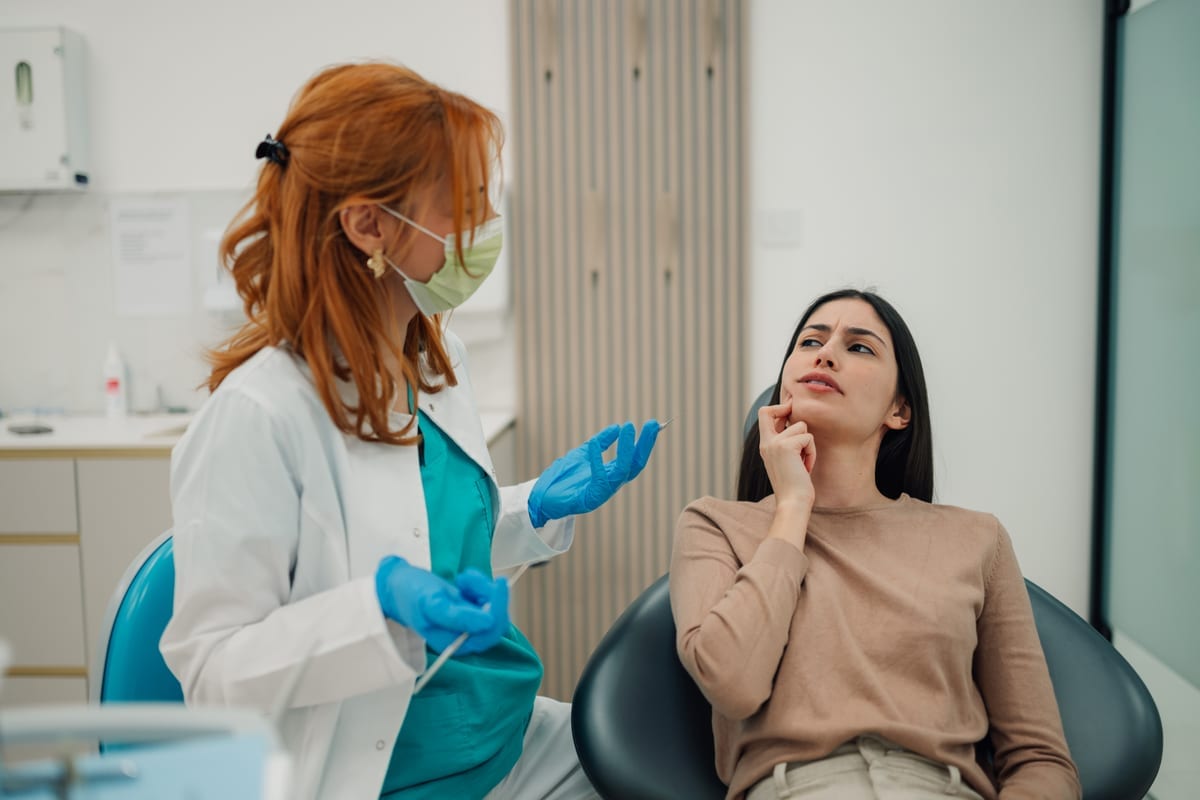
The hygienist settles you into the dental chair and adjusts it to a comfortable reclined position. They’ll ask about any changes to your health history and discuss any concerns you might have. This is your opportunity to mention sensitive teeth, areas of discomfort, or questions about your oral care routine.
The Initial Examination and Assessment
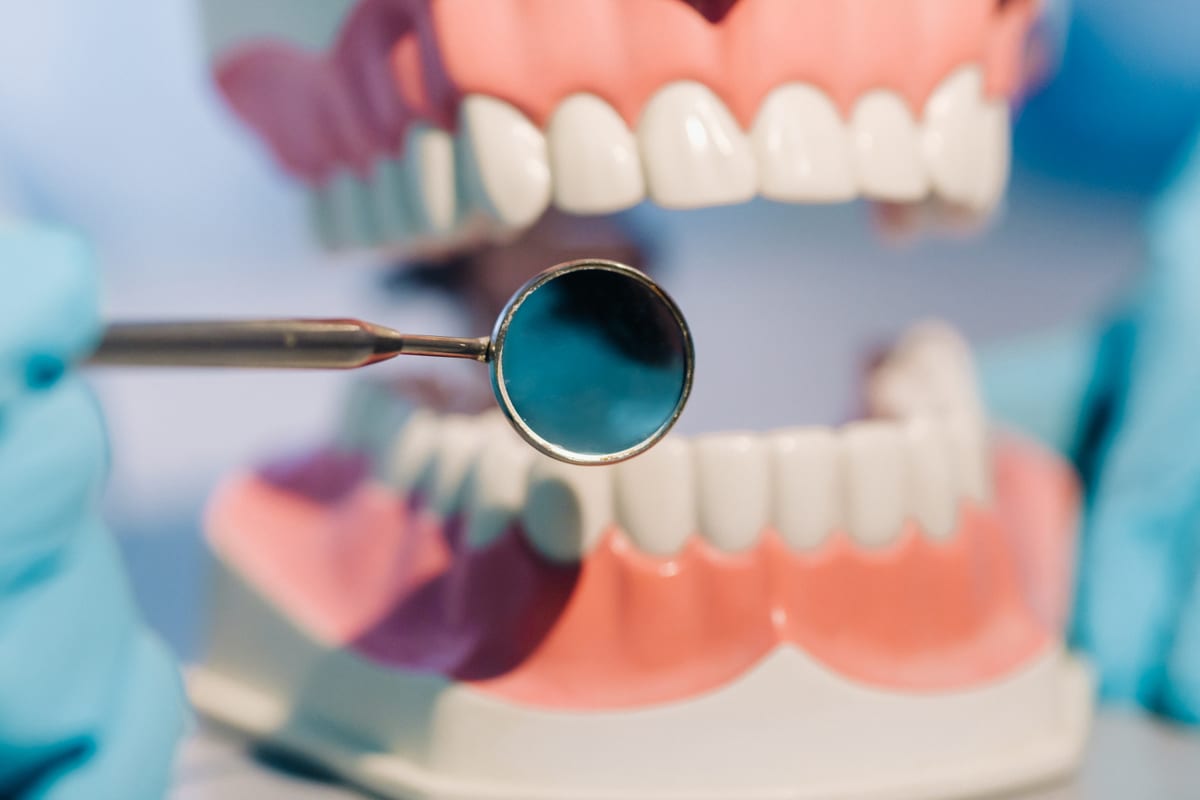
Before the cleaning begins, the hygienist conducts a thorough examination of your mouth. They use a small mirror to check your teeth and gums from every angle. You’ll hear them call out numbers and notes—this is the charting process that tracks your dental health over time.
The hygienist gently probes around your gum line to measure pocket depths. This assessment reveals how well your gums attach to your teeth. Healthy gums have shallow pockets, while deeper measurements might indicate gum disease that requires attention.
During this stage, you might also receive digital X-rays if it’s been a while since your last set. The process is quick and painless. A small sensor slides into your mouth, and the X-ray machine captures images in seconds. These images help detect issues invisible to the naked eye, like cavities between teeth or problems below the gum line.
If you have questions during the examination, don’t hesitate to ask. The hygienist explains what they’re doing and why it matters for your oral health. Our team believes informed patients make better decisions about their dental care.
The Deep Cleaning Process
Now comes the main event—the actual teeth cleaning. The hygienist uses an ultrasonic scaler first, a tool that vibrates at high frequency to break up tartar and plaque. You’ll hear a gentle buzzing sound and feel mild vibrations against your teeth. A continuous stream of water rinses away debris as the scaler works.
The sensation is usually painless, though you might feel slight pressure or brief sensitivity on certain teeth. If you experience discomfort, raise your hand. The hygienist can adjust their technique or apply a numbing gel to sensitive areas.
After the ultrasonic scaling, the hygienist switches to hand instruments. These metal tools scrape away any remaining tartar, especially from hard-to-reach spots. You’ll feel gentle scraping sensations as they work methodically around each tooth. The process requires patience and precision, which is why it takes time.
Key steps in the deep cleaning include:
- Ultrasonic scaling to remove large deposits of tartar and plaque
- Hand scaling to address stubborn buildup and refine surfaces
- Flossing between every tooth to remove trapped debris
- Polishing with a gritty paste that smooths enamel surfaces
Polishing and Fluoride Treatment
Once all tartar and plaque are removed, the hygienist polishes your teeth using a rotating brush or rubber cup. The polishing paste feels slightly gritty against your teeth and often comes in flavors like mint or cherry. This step removes surface stains and leaves your teeth feeling incredibly smooth.
The polishing takes just a few minutes per arch. You’ll hear the soft whir of the polishing tool and taste the minty freshness of the paste. The hygienist works in sections, ensuring every visible surface gets attention.
After polishing, a fluoride treatment strengthens your enamel and helps prevent cavities. The hygienist applies fluoride gel or foam using a tray that fits over your teeth. You’ll hold it in place for about a minute while the fluoride absorbs. Some practices use a fluoride varnish instead, which is painted directly onto teeth and sets quickly.
The fluoride might taste slightly medicinal, but the flavor fades quickly. This treatment provides months of protection against decay, making it a valuable final step in your cleaning.
Post-Cleaning Consultation and Education
After your cleaning is complete, Dr. Nicole G. Nalbandian often performs a final examination. She reviews the hygienist’s findings and checks for any issues requiring further attention. Dr. Nalbandian takes time to explain what she observes and answer your questions thoroughly.
This consultation is educational, not sales-focused. You’ll learn about areas that need better brushing or flossing. The doctor might demonstrate proper technique or recommend specific products for your needs.
If any concerns arise—a cavity, worn filling, or signs of grinding—Dr. Nalbandian discusses treatment options. She explains procedures in plain language and helps you understand the benefits of addressing issues promptly. There’s never pressure to decide immediately; you can schedule treatment when you’re ready.
The team also provides personalized homecare recommendations:
- Brushing techniques tailored to your mouth structure
- Flossing methods that work best for tight contacts or bridges
- Mouthrinse suggestions for specific concerns like dry mouth
- Dietary tips to protect enamel and reduce decay risk
You’ll leave with a clear understanding of your oral health status and actionable steps to maintain it.
Aftercare and What Happens Next
Your teeth and gums might feel slightly sensitive for a few hours after your cleaning, especially if significant tartar was removed. This is completely normal and temporary. Avoid extremely hot or cold foods immediately after your appointment if you notice sensitivity.
Your mouth will feel noticeably cleaner and fresher. Running your tongue over your teeth reveals how smooth and polished they are. This clean feeling is motivation to maintain good habits at home.
The front desk schedules your next cleaning before you leave, typically six months away. Regular cleanings prevent buildup and catch problems early. Many Universal City residents prefer morning appointments to fit dental care into busy work schedules, while others choose late spring visits to prepare for summer events.
Between cleanings, maintain your results with consistent brushing and flossing. Electric toothbrushes can be especially effective at removing plaque. If you have questions after your appointment, our office welcomes calls and messages.
Experience Comfortable Care in Universal City
A professional teeth cleaning does more than brighten your smile—it protects your long-term health. Understanding each step of the process helps you feel confident and relaxed during your visit. Dr. Nalbandian and her team prioritize patient comfort and education at every appointment.
From the initial examination through the final polish, every stage serves a purpose. The sensory experiences—gentle vibrations, fresh flavors, smooth surfaces—become familiar and even enjoyable over time. Regular cleanings in Universal City keep your smile healthy and ready for graduation photos, Mother’s Day celebrations, or any special moment.
Ready to experience this level of thorough, compassionate care? Book Now to schedule your appointment with our team.
Frequently Asked Questions
How long does a typical teeth cleaning appointment take?
Most teeth cleaning appointments last between 45 minutes and one hour. The exact time depends on the amount of buildup present and whether X-rays are needed. If you have significant tartar accumulation or haven’t had a cleaning in several years, the appointment might take slightly longer to ensure thorough removal.
Will my teeth cleaning hurt?
Most patients experience no pain during a routine cleaning. You might feel pressure, vibrations, and scraping sensations, but these shouldn’t be painful. If you have sensitive teeth or gums, inform your hygienist beforehand. They can apply numbing gel to sensitive areas or adjust their technique to maximize your comfort throughout the process.
How often should I schedule teeth cleanings?
Most dental professionals recommend cleanings every six months for patients with healthy gums and good home care. Some individuals with gum disease, heavy tartar buildup, or certain health conditions benefit from more frequent cleanings every three to four months. Dr. Nalbandian recommends a schedule based on your specific oral health needs.
Can I eat and drink normally after my cleaning?
Yes, you can resume normal eating and drinking immediately after most cleanings. If you received a fluoride treatment, avoid eating or drinking for 30 minutes to allow maximum absorption. If your teeth feel sensitive, stick to room-temperature foods and beverages for a few hours until the sensitivity subsides.
What’s the difference between a regular cleaning and a deep cleaning?
A regular cleaning removes plaque and tartar from tooth surfaces above the gum line. A deep cleaning, also called scaling and root planing, treats gum disease by cleaning below the gum line and smoothing root surfaces. Deep cleanings typically require numbing and may be split into multiple appointments. Your hygienist and Dr. Nalbandian will explain which type of cleaning you need based on your gum health.