

Are you experiencing jaw pain and wondering about the cost of TMJ treatment? If you’ve been living with discomfort in your jaw, you’re not alone. Temporomandibular Joint (TMJ) disorders are common, affecting millions of people, and understanding the cost of treatment is essential in making an informed decision. Whether you’re dealing with mild jaw pain or more severe issues, knowing what to expect financially can help ease your concerns.
In this blog, we’ll break down the costs of TMJ treatments, explore different treatment options, and discuss factors that influence the pricing, giving you a clearer understanding of how to manage your TMJ treatment effectively.
What is TMJ and What Causes It?
TMJ stands for Temporomandibular Joint, the hinge that connects your jawbone to your skull. When this joint becomes inflamed or injured, it can lead to a condition known as TMJ disorder (TMD), which can cause pain, discomfort, and a range of other symptoms.
Symptoms of TMJ typically include:
- Jaw pain or tenderness
- Difficulty chewing or speaking
- Locking of the jaw
- Headaches or earaches
- Clicking or popping sounds when opening or closing the mouth
TMJ disorders can develop from various causes. Common causes of TMJ include:
- Injury or trauma to the jaw or head
- Teeth grinding (often related to stress or sleep disorders)
- Arthritis or other inflammatory conditions
- Poor posture that affects the jaw alignment
- Misaligned teeth or bite issues (malocclusion)
If you’re experiencing any of these symptoms, it’s important to seek help from a specialist. Early diagnosis can prevent further damage and ensure a quicker recovery.
Different Types of TMJ Treatments
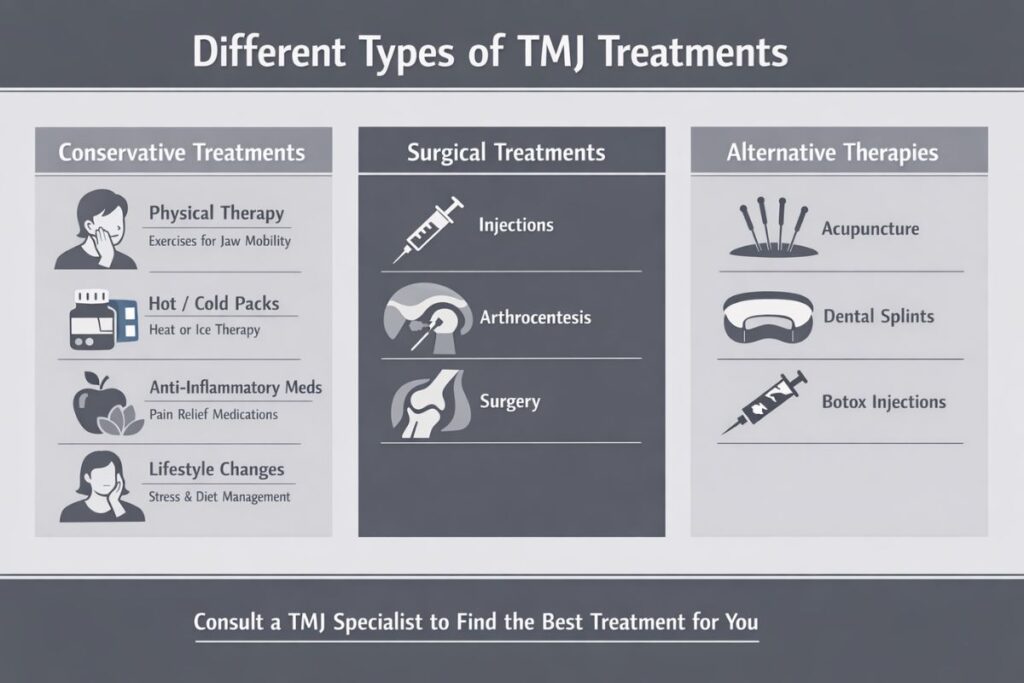
Conservative Treatments
The first line of defense against TMJ disorders usually involves non-invasive treatments. Some of the most common options include:
- Physical Therapy: Exercises designed to strengthen jaw muscles and improve mobility.
- Hot/Cold Packs: Applying heat or ice to reduce inflammation and alleviate pain.
- Anti-Inflammatory Medications: Over-the-counter or prescribed medications like ibuprofen or naproxen to reduce swelling and pain.
- Lifestyle Adjustments: Stress management techniques, changes in diet (avoiding hard or chewy foods), and jaw relaxation exercises.
Surgical Treatments
For severe cases, more invasive options may be necessary. Some of the advanced treatments include:
- Injections: Corticosteroid or botulinum toxin (Botox) injections to relax jaw muscles and reduce pain.
- Arthrocentesis: A minimally invasive procedure to irrigate the joint and remove debris.
- Surgical Intervention: In rare cases, surgery may be required to repair or replace the damaged joint.
Alternative Therapies
In addition to traditional treatments, some patients explore alternative therapies for TMJ:
- Acupuncture: Helps reduce pain and muscle tension.
- Dental Splints: A custom-made mouthguard to reduce teeth grinding and alleviate pressure on the jaw.
- Botox Injections: Temporarily paralyze the jaw muscles, preventing clenching or grinding.
Each treatment comes with its own cost, so it’s important to discuss options with a qualified TMJ specialist to determine what works best for you.
Breaking Down the Costs of TMJ Treatment
Understanding the cost of TMJ treatment in Burbank involves looking at both initial consultations and ongoing treatment needs. Here’s a breakdown of the different costs you can expect:
Initial Consultation Costs
- The cost of visiting a specialist can range from $100 to $250 depending on the provider and the area you live in. Some offices may offer an initial consultation for free or at a discounted rate if you proceed with treatment.
Conservative Treatment Costs
- Physical therapy typically costs between $50 to $150 per session, and you may need several sessions.
- Over-the-counter pain medications are generally inexpensive, costing around $10 to $30 per bottle.
- Hot/Cold packs can be purchased for a one-time cost of around $5 to $30.
Advanced Treatment Costs
- Corticosteroid injections may cost between $150 to $500 per session.
- Botox injections for TMJ can be expensive, ranging from $300 to $1,500 per session.
- Arthrocentesis (joint irrigation) costs approximately $1,000 to $2,500.
- Surgical procedures can range from $3,000 to $10,000, depending on the complexity of the surgery and the geographic location.
Insurance Coverage
Most insurance plans cover a portion of the costs associated with TMJ treatments, but it varies by plan. It’s essential to check with your insurance provider to see if treatments like physical therapy, injections, or surgery are covered under your dental or medical insurance. Some plans may have limits or require prior authorization.
Factors That Affect the Cost of TMJ Treatment
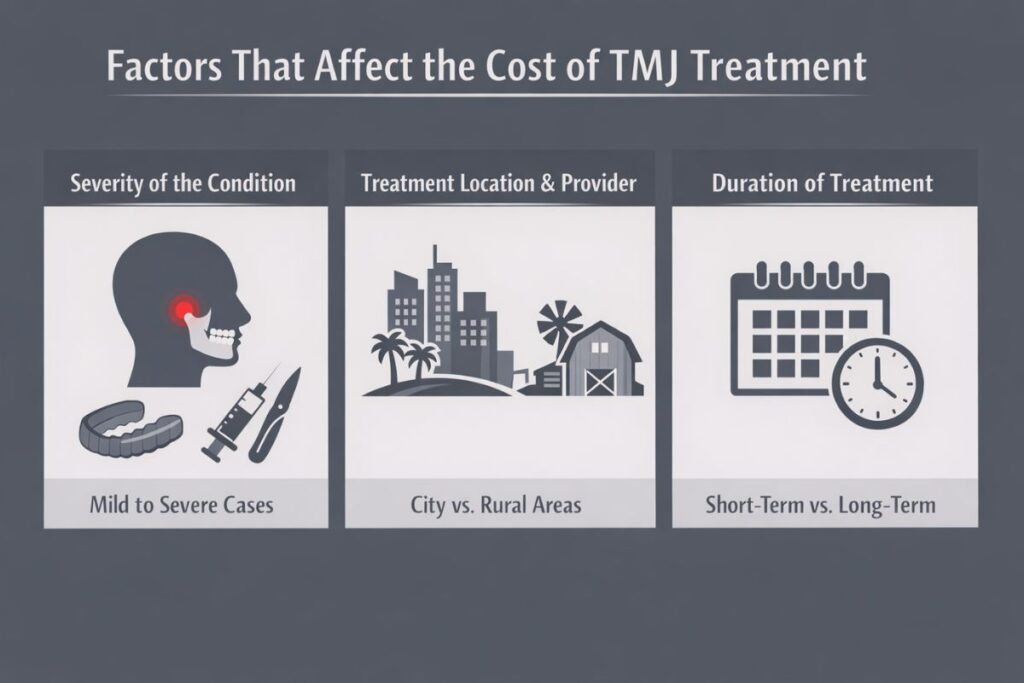
Several factors can influence the overall cost of TMJ treatment:
- Severity of the Condition: The more severe the TMJ disorder, the more intensive and expensive the treatment is likely to be. For example, a mild case might only require physical therapy and a mouthguard, whereas a severe case could necessitate injections or surgery.
- Treatment Location and Provider: Costs can vary greatly depending on where you live and which specialist you see. For instance, treatment in larger metropolitan areas like Burbank can be more expensive than in rural areas.
- Duration of Treatment: If the treatment is ongoing or requires follow-up visits, it will increase the total cost. For example, long-term physical therapy or regular injections may add up over time.
Is Fixing Your Jaw Expensive?
Assessing the Value
While the upfront cost of TMJ treatment in Burbank may seem high, it’s important to consider the long-term benefits. Untreated TMJ disorders can lead to chronic pain, headaches, tooth wear, and even joint damage, all of which could result in more expensive, extensive treatments. By addressing TMJ early, you can save on future medical bills and avoid the added costs of living with ongoing pain.
Cost vs. Quality of Life
Treating TMJ disorders improves more than just your jaw health. It can enhance your overall quality of life. Many patients experience significant relief from daily pain, allowing them to eat, speak, and sleep more comfortably.
Additionally, managing TMJ can help prevent complications such as teeth grinding, which can cause permanent damage to your teeth and gums. For many people, the investment in treatment provides peace of mind and improved mental well-being, as it removes the constant burden of discomfort.
Ultimately, while the cost of treatment can feel overwhelming, the relief it offers and the long-term benefits to your health and quality of life make it a worthwhile investment. Investing in your jaw health today can save you from more severe health issues tomorrow.
How to Make TMJ Treatment More Affordable
Explore Payment Plans: Many specialists, including those at Nalbandian Dentistry, offer flexible financing options to help make treatment more affordable. Payment plans can break down the cost into manageable monthly payments, ensuring you get the treatment you need without financial strain.
Seek Insurance Coverage: Contact your insurance provider to determine what aspects of TMJ treatment are covered. Some plans offer coverage for non-surgical treatments, like physical therapy or dental splints, which can significantly lower your out-of-pocket costs.
Preventative Measures: The earlier you address TMJ symptoms, the less costly the treatment will be in the long run. By using a mouthguard or practicing stress management techniques, you may be able to reduce the need for more expensive interventions down the line.
In conclusion, while TMJ treatment can be costly, it is possible to manage these expenses with the right plan. From exploring financing options to utilizing insurance coverage, there are ways to make treatment more affordable. Addressing TMJ symptoms early can prevent further complications, ultimately saving you both time and money.
If you’re dealing with jaw pain or discomfort, don’t wait any longer. Contact Nalbandian Dentistry today to schedule an appointment and take the first step toward a pain-free, healthier jaw!
Frequently Asked Questions
1. Can TMJ be treated without surgery?
Yes, many cases of TMJ are treated with non-invasive methods such as physical therapy, medications, dental splints, and stress management techniques.
2. How long does TMJ treatment take?
Treatment duration depends on the severity. Conservative treatments may take a few weeks, while surgical interventions may require several months for full recovery.
3. Can TMJ cause long-term damage?
Yes, untreated TMJ can lead to chronic pain, tooth damage from grinding, jaw misalignment, and even hearing problems due to ear-related symptoms.onths for full recovery.
4. How do I know if I need TMJ treatment?
If you experience jaw pain, clicking or popping sounds, difficulty chewing, or headaches, it’s advisable to consult with a dental professional to assess whether TMJ treatment is needed.
5. What happens if I don’t treat my TMJ disorder?
Failing to treat TMJ can result in worsening symptoms, chronic pain, joint degeneration, and potentially expensive procedures in the future. Early treatment helps prevent these issues.