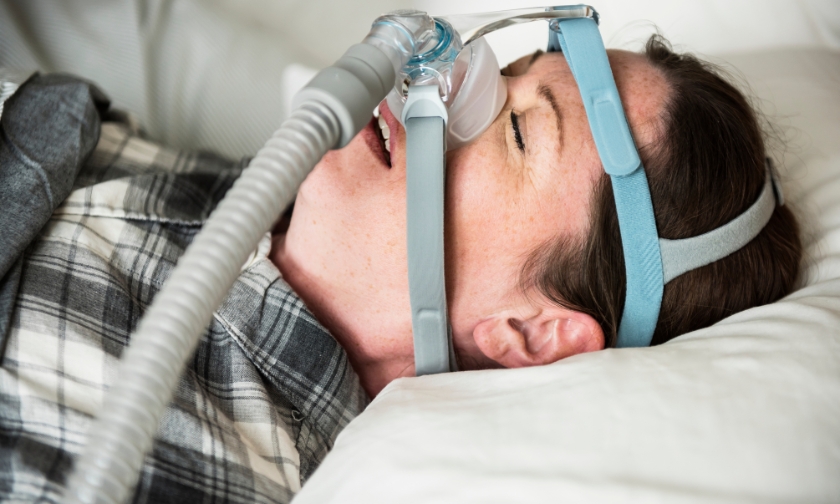


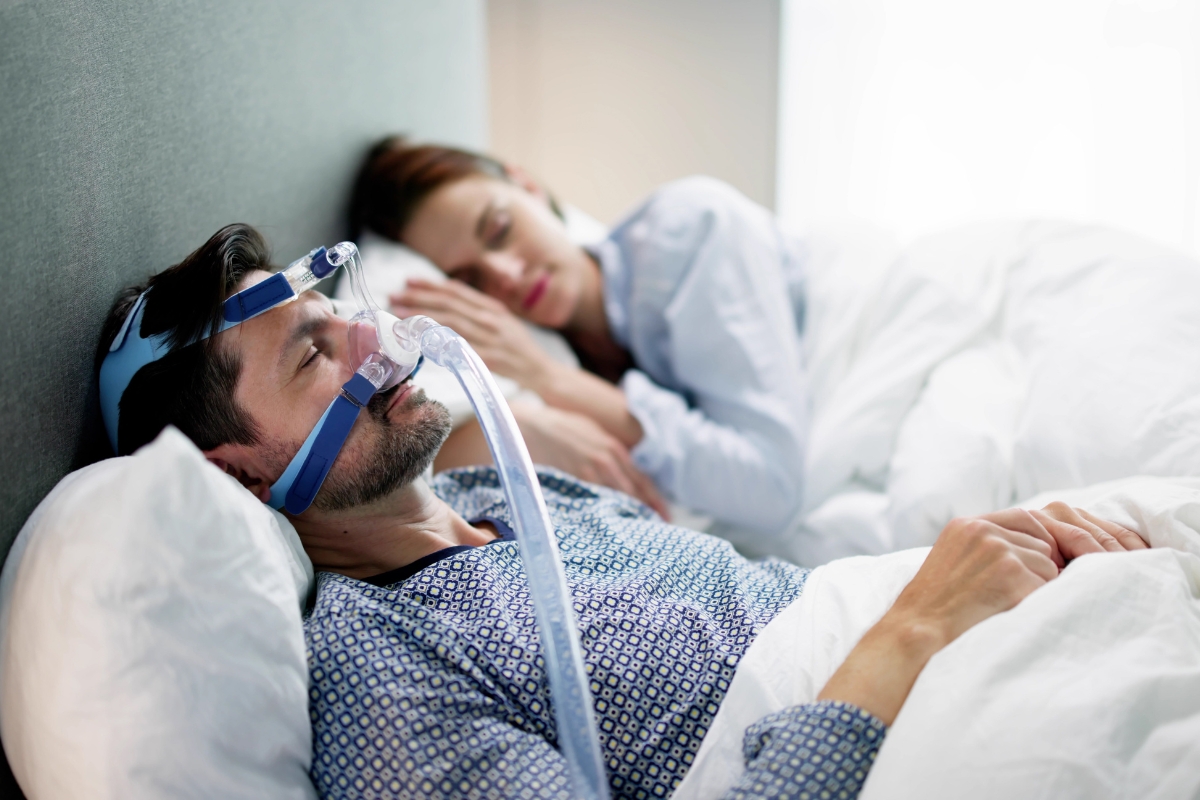
Morning mouth, dry mouth, and sore teeth often hide more serious health issues. Most individuals are not even aware that disturbed sleep can be a disadvantage for their teeth. The connection between sleep apnea treatments and dentistry still surprises most individuals. Lack of oxygen and repeated mouth breathing during sleep may quietly wear away tooth enamel.
Dr. Nalbandian emphasizes a systemic dentistry system that sees the connection between breathing habits and oral architecture. Her research illustrates the direct relationship between the health of the airways to the formation of cavities. This blog uncovers the intricate relationship between sleep quality and permanent oral health.
What Exactly Is Sleep Apnea?
Sleep apnea causes frequent interruptions in breathing during sleep. Obstructive, central, and complex sleep apnea are the main types. All of these disrupt oxygenation and stress the body.
Restricted airflow promotes mouth breathing, dries out saliva, and increases the risk of decay. Without saliva, bacteria increase quickly, infecting gums and enamel. The majority of patients require sleep apnea treatment to restore airflow and oral health.
Early treatment of sleep disorders prevents complications in the long term. Regular screening with Dr. Nalbandian offers improved breathing and healthier teeth through preventive dental care.
The Dental Consequences of Abnormal Breathing
Mouth breathing from undiagnosed apnea dries out oral tissues, making cavities more likely. Saliva is the body’s defender, neutralizing acids and clearing bacteria. As saliva decreases, bacterial growth is quicker and undermines enamel surfaces. Constant dryness triggers sensitivity, bad breath, and visible erosion.
Dr. Nalbandian frequently sees these effects in patients who need sleep apnea treatments in Burbank. Their symptoms typically consist of frequent cavities despite regular oral hygiene. Restoring regular breathing improves saliva balance and halts bacterial overgrowth. Her treatment treats the root cause, thus preventing further decay and discomfort. Early treatment ensures long-term oral protection.
Why Grinding Often Exceeds Sleep Apnea
Teeth grinding is usually unconscious in most individuals with sleep disorders during sleep. Bruxism is a result of the body’s efforts to reopen airways. Grinding wears away enamel, leaving teeth vulnerable to cracks and decay. Jaw tension, morning headaches, and tooth sensitivity develop in patients.
Dr. Nalbandian sees this connection in airway examination and bite analysis. She tailors treatments for sleep apnea to reduce grinding while improving oxygen flow. Treating both simultaneously avoids tooth damage over the long term. Controlling bruxism early on avoids loss of natural tooth structure and also restores sleep.
How Dr. Nalbandian Treats Sleep-Associated Oral Health Issues
Dr. Nalbandian uses an integrated approach that includes airway examination, preventive dentistry, and customized oral appliances. Her goal is cause identification, not symptom covering. Treatments for sleep apnea lead to improved sleep and healthier smiles for patients.
These appliances forward the jaw to provide air pathways and enamel protection. Check-ups on a regular basis keep airway integrity in place and gum health. Treating sleep apnea helps reduce inflammation throughout the body and encourages overall wellness.
Dr. Nalbandian’s combination treatment bridges the gap between dental functioning and overall wellness, leading to long-term outcomes that are more than just conventional treatment protocols.
Guarding Your Teeth While Treating Sleep Apnea
Drinking water remains essential for individuals using sleep apnea treatment. Avoid caffeine and alcohol near bedtime to prevent dehydration. Treat dryness with fluoride mouthwashes or saliva substitutes.
Visit the dentist every half year to monitor enamel changes. Detection at its earliest point guarantees prompt treatment of cavities forming. Collaborate with sleep professionals if symptoms persist following dental treatment.
Balanced habits, restful sleeping, and professional treatment maintain healthy teeth and enhanced breathing. Long-term oral hygiene reinforces treatment results for constant protection and comfort.
Good oral health and sleep depend on balanced care. Dr. Nalbandian cites how airway disorders treatment strengthens teeth. Her customized sleep apnea treatments increase oxygenation and prevent decay simultaneously. A timely diagnosis of symptoms prevents tooth loss and overall energy waste.
A consultation with Dr. Nalbandian provides the patient with the option to regain normal balance. Healthier sleep translates to a brighter, healthier smile every morning.